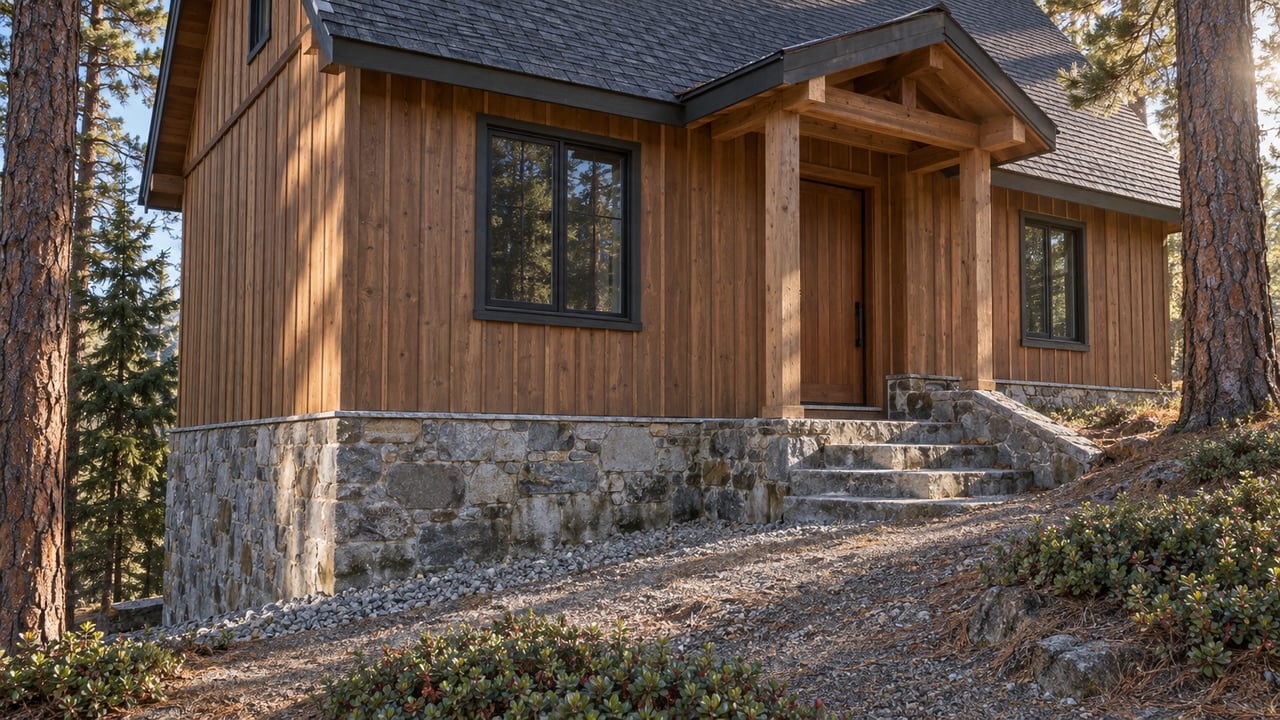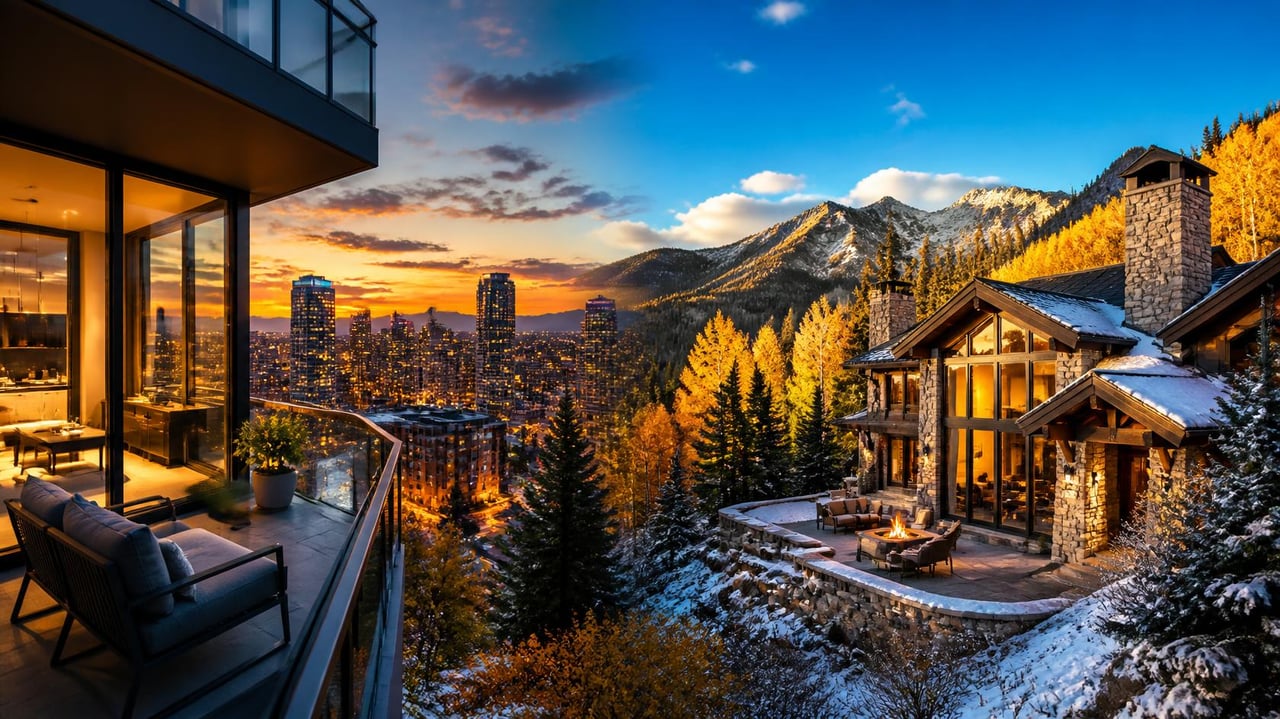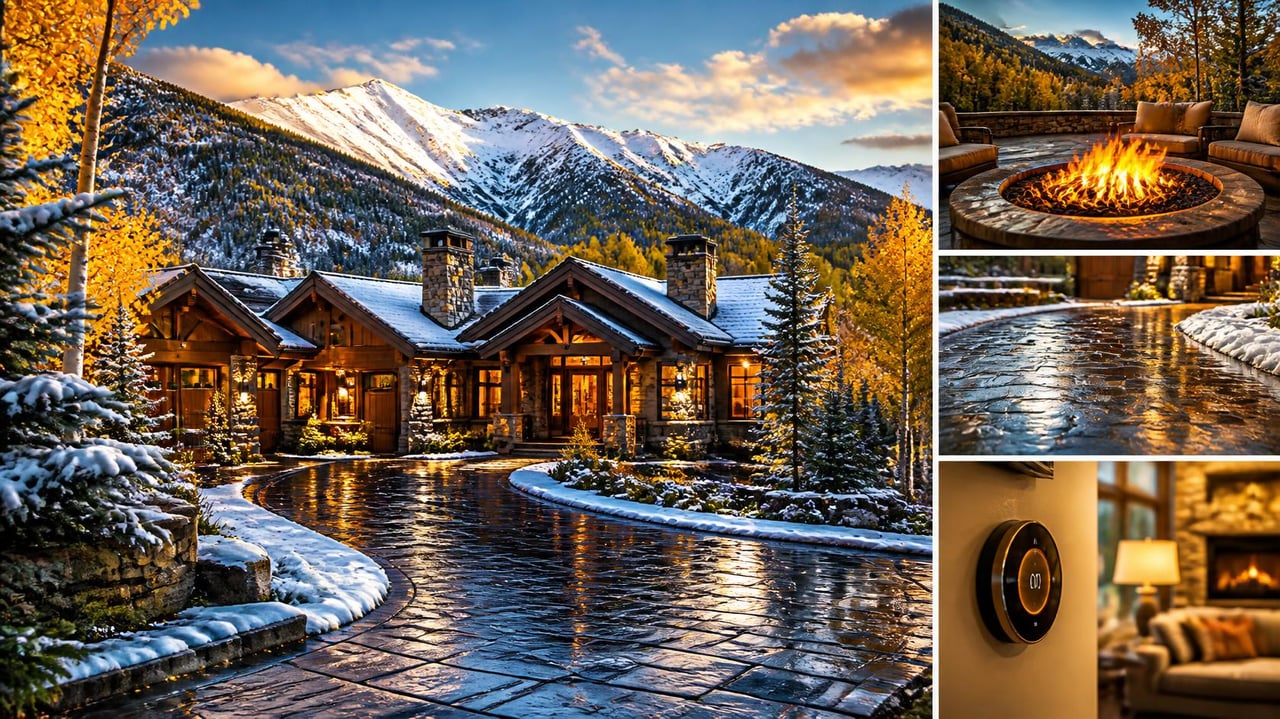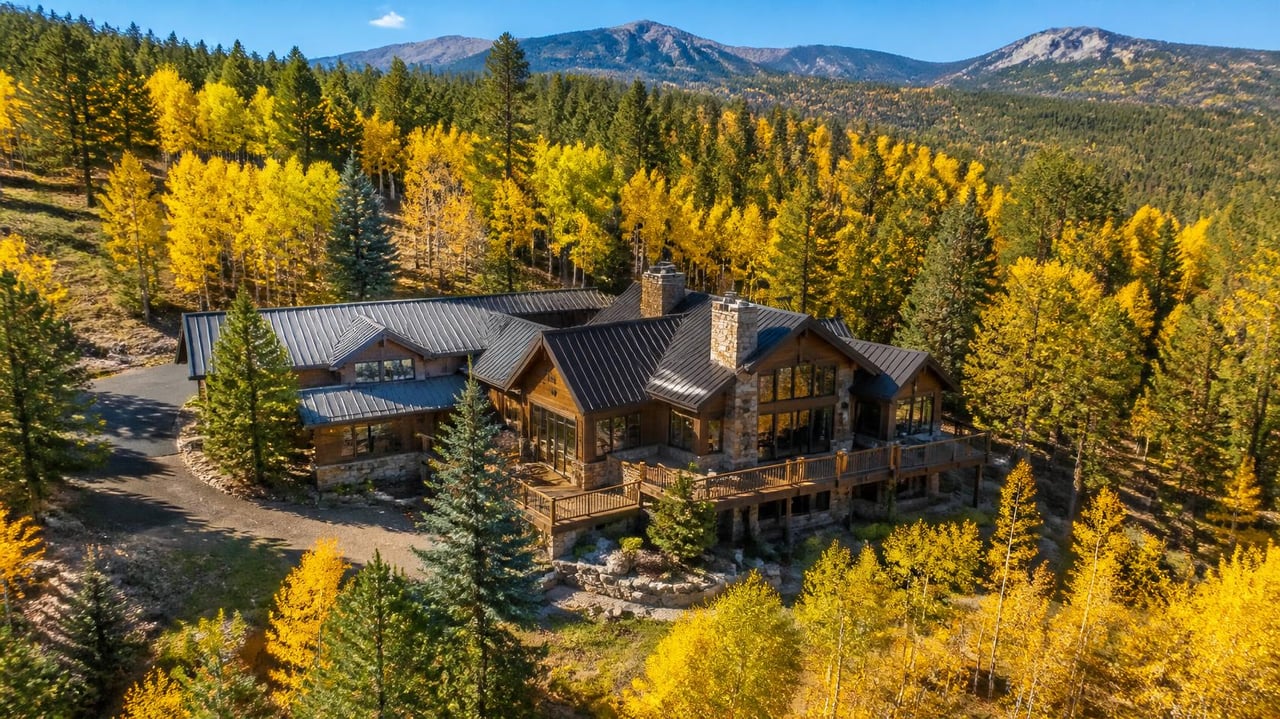
As autumn colors peak across the Front Range and temperatures begin to dip in late afternoon, mountain homeowners across Evergreen, Conifer, Genesee, Morrison, Bailey, and Golden face a critical seasonal milestone. High-altitude living offers unmatched tranquility and natural beauty, but it also comes with severe winter conditions that test even the most well-built luxury homes. Preparing your property before the first prolonged hard freeze isn’t just routine maintenance—it is essential protection for your equity, structural integrity, and peace of mind.
For buyers, sellers, and long-time estate owners alike, executing a systematic pre-winter inspection ensures your home functions seamlessly through heavy snowpack and sub-zero nights. From subsurface plumbing vulnerabilities to high-load rooflines, here is your essential high-country winterization checklist.
1. High-Altitude Plumbing & Well System Protection
At 7,000+ feet, freezing water pipes represent one of the most common—and costly—winter hazards. A sudden freeze can rupture lines within unheated crawlspaces, exterior walls, or outbuildings in a matter of hours.
Key plumbing safeguards:
Exterior Hose Bib & Irrigation Blowouts: Disconnect all garden hoses and shut off interior supply valves leading to exterior spigots. Professional compressed-air blowouts are critical for underground irrigation systems and outdoor kitchen lines before residual water expands.
Well House & Pump Insulation: Ensure well enclosures are fully insulated, sealed against drafts, and equipped with a thermostatically controlled heat lamp or low-wattage space heater set above freezing.
Heat Tape & Pipe Insulation Audits: Inspect self-regulating heat cables along exposed pipes in crawlspaces, mechanical rooms, and rim joists. Verify that power indicator lights are functioning properly.
Vacant Property Freeze Protocols: For secondary residences or vacant listings, set thermostats no lower than 55°F, open vanity cabinet doors to allow ambient warm air circulation, and consider installing smart temperature/water-leak monitoring systems.
2. Timber Deck & Hardscape Sealing
Mountain decks and flagstone patios endure extreme freeze-thaw cycles, heavy snow accumulation, and harsh UV exposure. Without proper fall care, moisture penetrates wood fibers and masonry, leading to splintering, rot, and structural degradation.
Essential deck and patio prep:
Deep Cleaning & Timber Sealing: Sweep away fallen pine needles, leaf debris, and dirt trapping moisture against deck boards. Apply a high-grade, water-repellent stain or sealant to natural wood or composite decking before freezing moisture sets in.
Clear Drainage Channels: Ensure gaps between deck boards remain clear so melting snow can drain freely rather than pooling and refreezing into solid ice sheets.
Furniture & Outdoor Amenity Storage: Clean, cover, or store teak furniture, grill stations, and outdoor cushions in garages or shed storage. Drain birdbaths and fountain basins to prevent concrete or stone cracking.
Flagstone & Paver Sealing: Apply penetrating masonry sealers to flagstone patios, stone steps, and retaining walls to prevent ice expansion from spalling natural rock surfaces.
3. Roofline, Gutter, and Ice Dam Mitigation
Roofing systems on mountain estates bear immense structural weight throughout winter. Ice dams—formed when melting snow refreezes at unheated eaves—can back up water under shingles and cause severe interior ceiling damage.
Critical roof and gutter steps:
Gutter Clearance & Downspout Extensions: Clear all gutters and downspouts of pine needles, cone debris, and leaves. Attach downspout extensions to direct meltwater at least 5 to 10 feet away from the home’s foundation.
Heat Cable Activation: Test roof and gutter heat tape systems ahead of time. Replacing damaged heating cables in October prevents dangerous ice dams from forming along north-facing eaves and valleys.
Shingle, Flashing & Chimney Inspections: Examine rooflines for loose shingles, damaged flashing around skylights, and mortar wear along chimney stacks. Ensure spark arrestors and chimney caps are clear and securely attached.
Attic Insulation & Ventilation Check: Adequate attic insulation combined with proper ridge and soffit ventilation keeps roof temperatures uniform, significantly reducing the risk of ice dam formation.
4. Heating Systems, Hearth & Backup Power Readiness
When winter storms roll over the Continental Divide, reliable heating and standby power systems become your home's primary line of defense.
System readiness priorities:
HVAC & Radiant Boiler Service: Schedule annual professional servicing for boilers, radiant floor heating loops, and forced-air furnaces. Replace air filters and verify zone valve functionality across multi-story layouts.
Chimney Sweeps & Wood Stove Safety: Have wood-burning fireplaces, pellet stoves, and insert flues professionally swept and inspected for creosote buildup before your first fire of the season.
Propane Tank Levels & Supply Agreements: Check liquid propane fuel gauges and schedule top-off deliveries early to avoid peak-winter surge pricing or weather delays for fuel trucks.
Standby Generator Testing: Run exercise cycles on whole-home standby generators, inspect battery connections, and ensure adequate fuel flow for natural gas or propane units.
Navigating Foothill Winters with Confidence
Proactive pre-winter preparation preserves the luxury, comfort, and long-term valuation of your mountain estate. Whether you are prepping your property for a competitive late-fall listing or settling into a newly purchased mountain retreat, executing these essential maintenance steps ensures your home remains a warm, secure sanctuary all season long.
Ready to Buy or Sell in the Colorado Foothills?
Whether you are searching for a winter-ready luxury estate or positioning your mountain home for a successful sale, Moxie Property Group delivers hyper-local market knowledge and tailored high-country guidance across Evergreen, Conifer, Genesee, Morrison, Bailey, and Golden.
CONTACT US:
🏡 Moxie Property Group
The Best Luxury and Mountain Real Estate Team in Colorado
📞 (303) 578-1220
💻 [email protected]
📺 YouTube Video