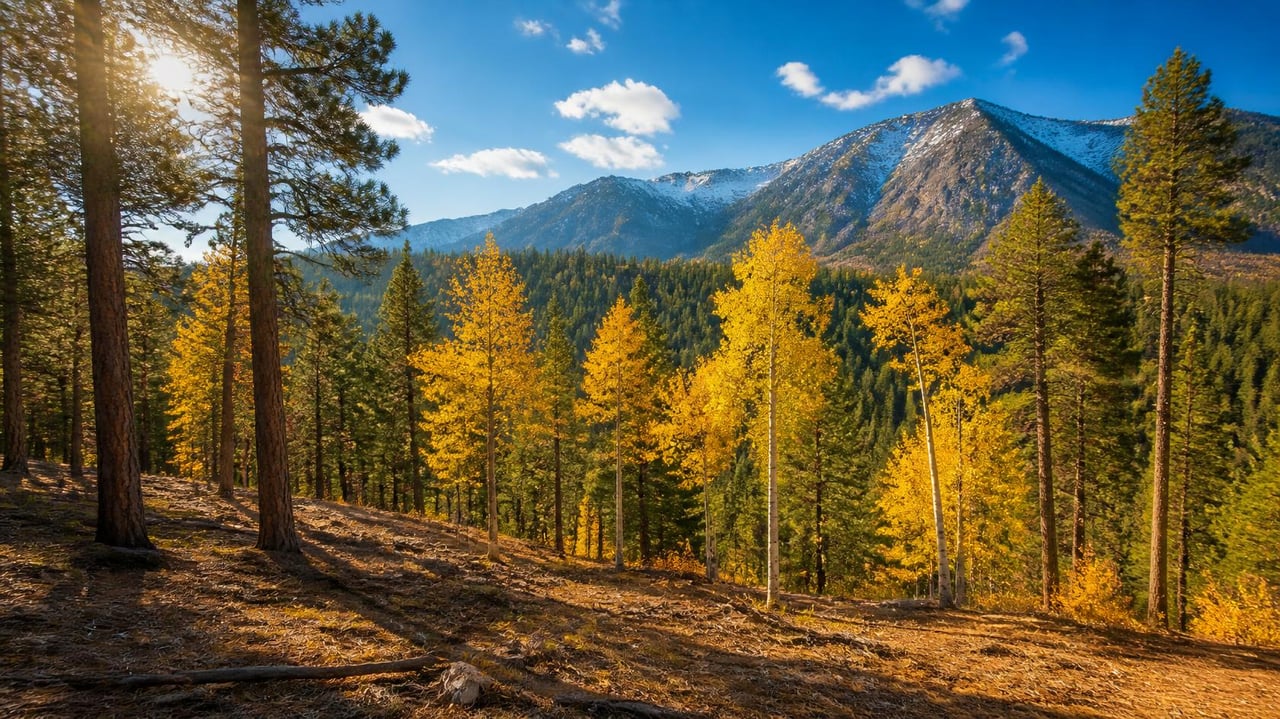
As golden aspen leaves drop and autumn winds pick up across the Front Range, mountain homeowners enter a vital season for property protection. While many associate wildfire threat strictly with hot summer afternoons, late fall presents a uniquely hazardous window. Falling foliage, drying ground fuels, and seasonal mountain winds create ideal conditions for fire propagation before early winter snows arrive.
For property owners and buyers across Evergreen, Conifer, Genesee, Morrison, Bailey, and Golden, autumn is the optimal time to execute critical forestry management, clear slash piles, and secure essential insurance coverage. Taking proactive fire mitigation steps in late fall not only safeguards your family and high-country estate, but also positions your home for smooth underwriting and real estate success.
1. Autumn Defensible Space Protocols Around Primary Structures
Establishing and maintaining defensible space zones around your home is your primary line of defense against wildfire embers. Autumn cleanup is critical as trees shed leaves, needles, and dead branches close to rooflines and decks.
Zone 1 (0 to 5 Feet from Foundation): Remove all combustible materials, including dry leaves, pine needles, wood mulch, and stored firewood. Replace organic mulch with gravel, river rock, or stone pavers.
Zone 2 (5 to 30 Feet around Structure): Prune tree branches up to 6 to 10 feet from the ground to eliminate ladder fuels. Ensure a minimum 10-foot separation between tree canopies to prevent crown fires from spreading toward the roof.
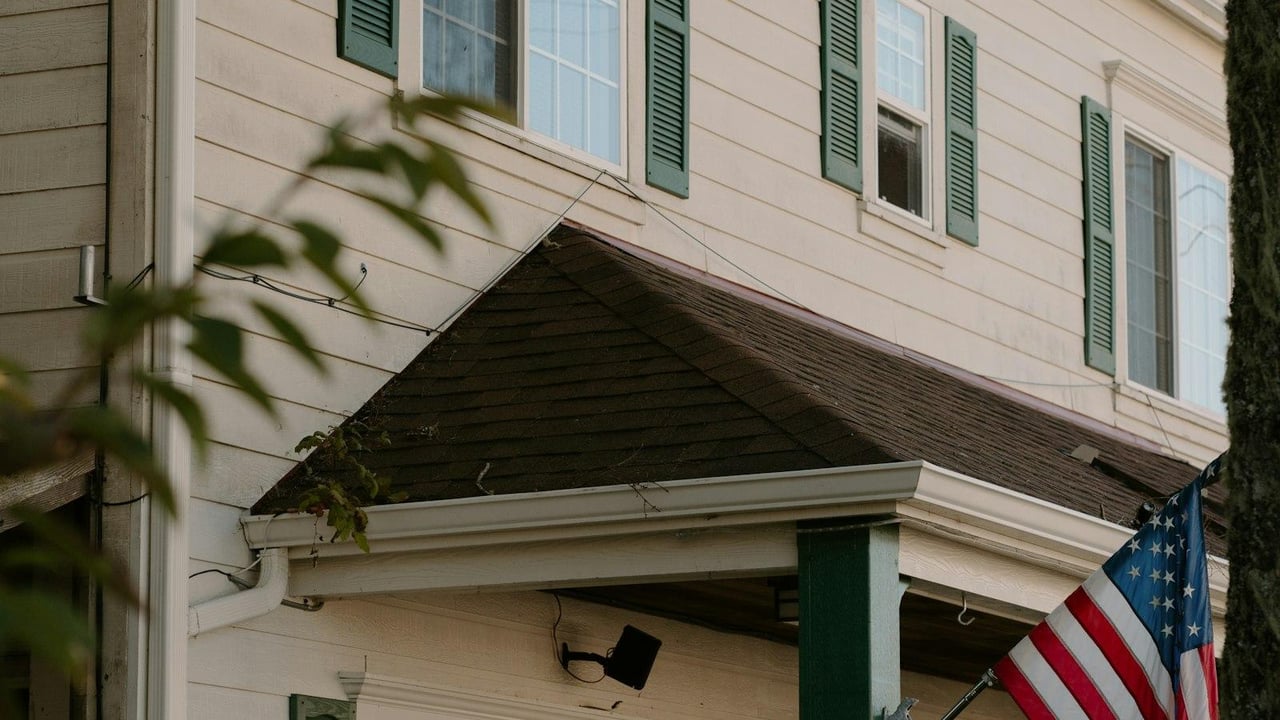
Gutter and Roof Clearance: Clear dry needles and leaves from gutters, roof valleys, and chimney perimeters. Accumulated debris in gutters is one of the leading ignition points during high-wind ember showers.
2. Clearing Slash, Chipping, and Community Slash Drop-Offs
Seasonal pruning and tree thinning generate substantial amounts of slash (branches, brush, and cut timber) that must be safely removed before winter snow seals access.
Timely Chipping and Removal: Stacked slash piles left near roadways or forest perimeters create hazardous fuel banks. Schedule wood chipping services or haul debris to county collection sites before high-altitude drop-off locations close for the season.
Jefferson and Clear Creek County Drop-Off Programs: Take advantage of late-season county slash collection programs in Evergreen, Conifer, and Idaho Springs, which accept residential brush and tree trimmings through mid-autumn.
Firewood Storage Guidelines: Stack winter firewood at least 30 feet away from primary structures, outbuildings, and wooden decks, ideally uphill or on a level, non-combustible gravel pad.
3. Securing Wildfire Insurance & Passing Underwriter Audits
Navigating homeowners insurance in high-altitude Wildland-Urban Interface (WUI) zones has become increasingly complex. Insurance carriers routinely conduct late-summer and fall aerial drone audits and physical property inspections.
Fulfilling Carrier Mitigation Demands: Insurers frequently issue conditional policy renewals contingent upon completing specific tree thinning, limb removal, or gutter clearing within a 30-to-60-day window.
Documenting Your Defensible Space Work: Take clear, high-resolution before-and-after photos of completed forestry thinning, slash removal, and hardened structures to submit directly to your insurance underwriter.
Obtaining Wildfire Mitigation Certifications: In communities like Jefferson and Clear Creek Counties, participating in local wildfire safety evaluations or receiving Wildfire Prepared Co. certifications can help prevent non-renewal notices and stabilize insurance premiums.
4. Home Hardening Upgrades Before Deep Winter
Beyond vegetation management, hardening your home’s exterior prevents flying embers from entering interior spaces or igniting vulnerable building materials.
Ember-Resistant Vent Mesh: Inspect attic, soffit, and crawlspace vents. Install 1/8-inch or 1/16-inch corrosion-resistant metal mesh screens to block windblown embers.
Under-Deck Enclosures: Enclose open timber deck undersides with fire-resistant siding or fine metal mesh to prevent dry leaf and needle accumulation beneath outdoor living spaces.
Spark Arrestors and Chimney Maintenance: Ensure chimney flues are fitted with approved spark arrestor caps and schedule a professional chimney sweep before lighting your first wood stove or hearth fire of the season.
Protecting Your Foothills Investment Year-Round
Proactive wildfire mitigation in autumn is more than a seasonal chore—it is a vital pillar of responsible high-country property ownership. By clearing slash, hardening structures, and maintaining defensible space, you protect your estate against seasonal risks while ensuring long-term insurance eligibility and market appeal.
Ready to Buy or Sell in the Colorado Foothills?
Whether you are searching for a wildfire-hardened luxury estate or positioning your mountain home for a successful sale, Moxie Property Group delivers hyper-local market knowledge and expert forestry and real estate guidance across Evergreen, Conifer, Genesee, Morrison, Bailey, and Golden.
CONTACT US:
🏡 Moxie Property Group
The Best Luxury and Mountain Real Estate Team in Colorado
📞 (303) 578-1220
💻 [email protected]
📺 YouTube Video