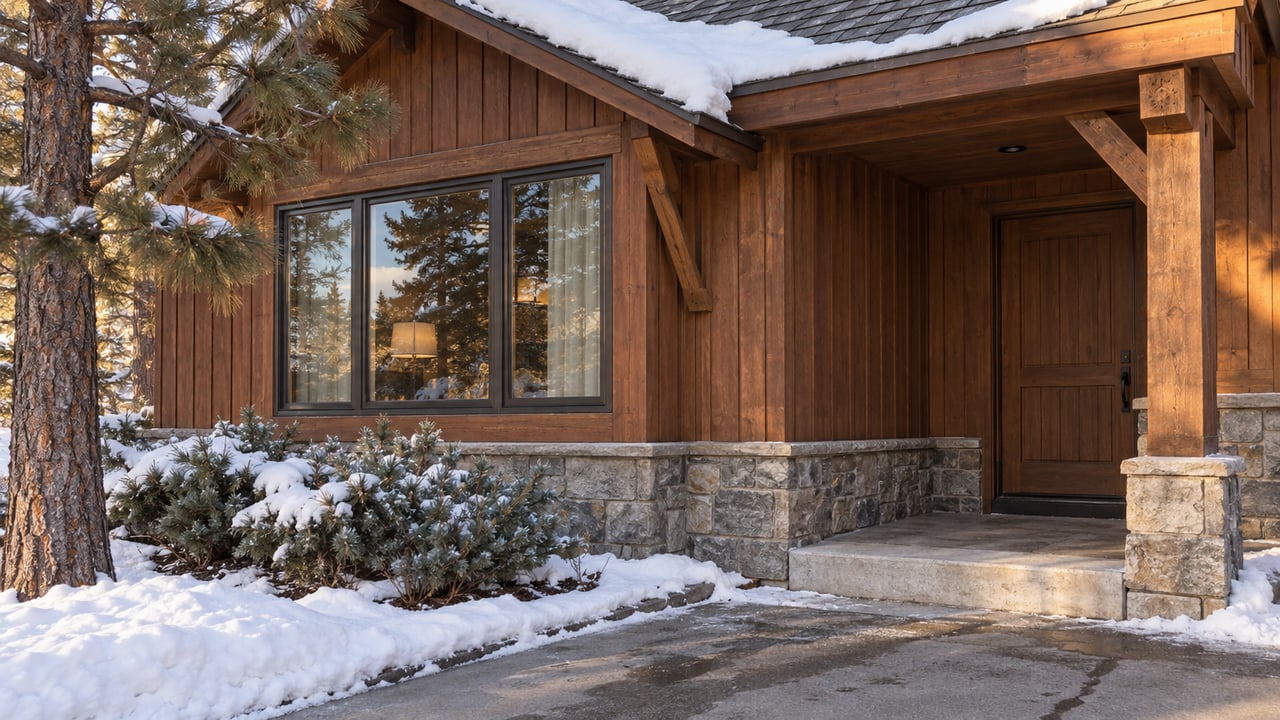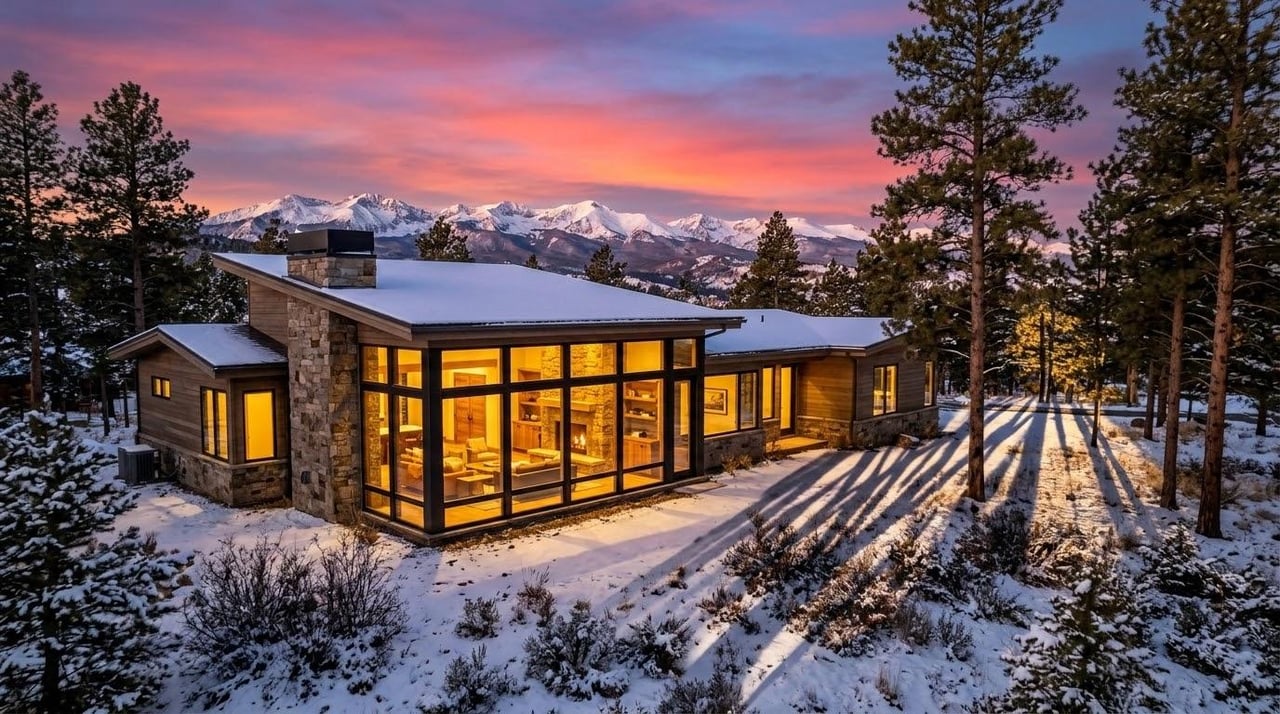
By mid-November, snow is no longer a novelty in the Colorado foothills. Storms can drop heavy, wet snow one week and leave bright sunshine the next, creating repeated cycles of melting and freezing. For mountain homes, the roof takes the brunt of these conditions, making snow loads, ice dams, and gutters a top priority for homeowners and buyers alike.
Whether you own a home in Evergreen, Conifer, Genesee, Morrison, Bailey, or Golden or are shopping for one this winter, understanding how a roof handles snow can help you avoid costly damage and make a more confident purchase.
1. Understanding Roof Snow Loads in the Mountains
Snow load refers to the weight of accumulated snow and ice on a roof, and it varies significantly with elevation and roof design.
- Elevation-Based Building Requirements: Local building departments set design snow load requirements that generally increase at higher elevations, so building standards in the foothills can differ from those in Denver.
- Roof Pitch and Shape: Steeper roofs tend to shed snow more easily, while low-slope roofs, valleys, and areas below upper roofs can accumulate heavy drifts.
- Signs of Stress: Sagging rooflines, cracks in interior drywall, or doors that suddenly stick can signal structural stress and deserve a professional evaluation.
2. Preventing and Managing Ice Dams
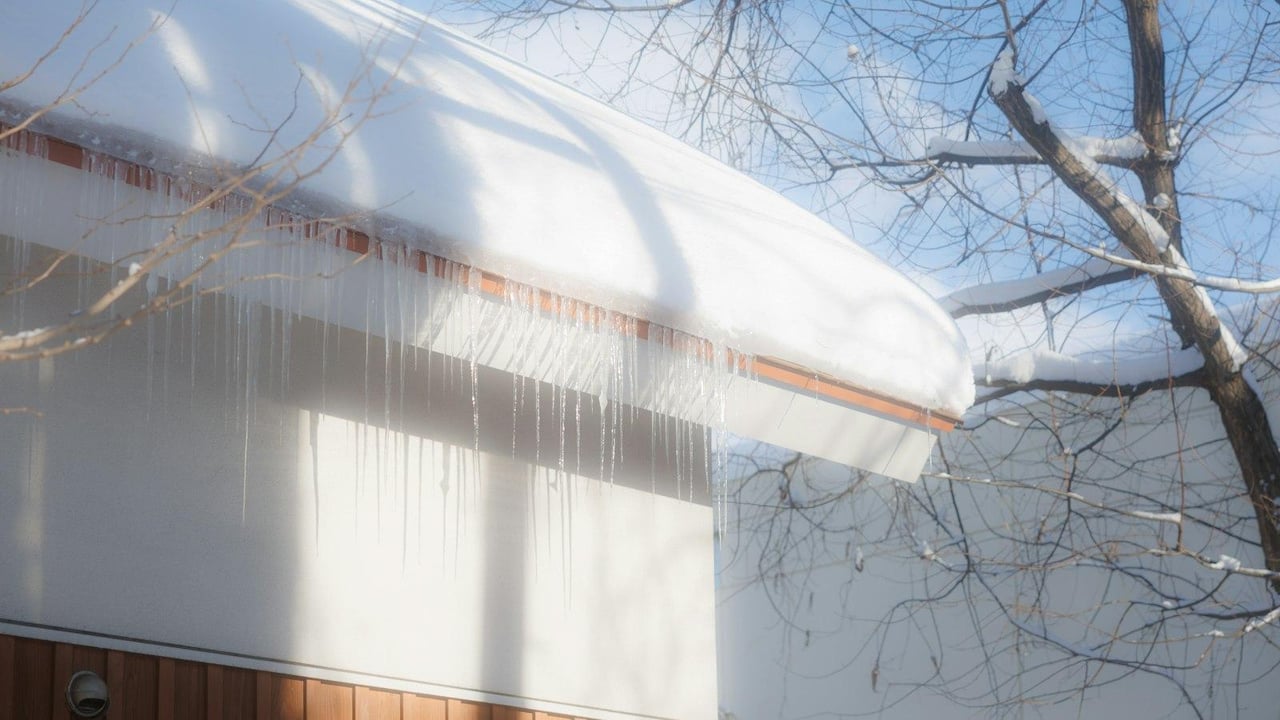
Ice dams form when heat escaping from a home melts snow on the roof, and the water refreezes at the colder eaves.
- Insulation and Ventilation: Proper attic insulation and ventilation help keep the roof deck cold, reducing the melt-and-freeze cycle that causes ice dams.
- Heat Cables: Roof and gutter heat cables can help channel meltwater off the roof in areas prone to ice buildup.
- Watch for Interior Leaks: Water stains on ceilings or walls near exterior walls can indicate ice dam leaks that need attention.
3. Gutters and Downspouts in Snow Country
Gutters play an important role in managing meltwater, but they face unique challenges in the mountains.
- Clear Pine Needles and Debris: Clogged gutters trap water that can freeze, adding weight and contributing to ice dams.
- Durable, Securely Mounted Systems: Heavy-duty gutters and hangers are better equipped to handle the weight of snow and ice.
- Direct Water Away From Foundations: Downspouts should carry meltwater away from the home to prevent icy walkways and foundation issues.
4. What Buyers Should Look for During Winter Showings
Touring homes in snow season can reveal important clues about how a roof performs.
- Look for Icicles and Ice Buildup: Large icicles or thick ice along the eaves may point to heat loss or ventilation issues.
- Ask About Roof Age and Materials: Request information on roof age, materials, and any recent repairs or replacements.
- Schedule a Thorough Inspection: A qualified inspector familiar with mountain homes can evaluate the roof, attic, insulation, and drainage systems.
Protecting Your Home From the Top Down
A well-designed, well-maintained roof is one of the most important features of a Colorado mountain home. By understanding snow loads, preventing ice dams, and keeping gutters in good working order, homeowners can enjoy winter with peace of mind.
Want a Mountain Home That Is Ready for Snow Season?
Whether you are evaluating a roof during a winter showing or preparing your home for buyers, Moxie Property Group offers expert local guidance across Evergreen, Conifer, Genesee, Morrison, Bailey, and Golden.
CONTACT US:
🏡 Moxie Property Group
The Best Luxury and Mountain Real Estate Team in Colorado
📞 (303) 578-1220
💻 [email protected]