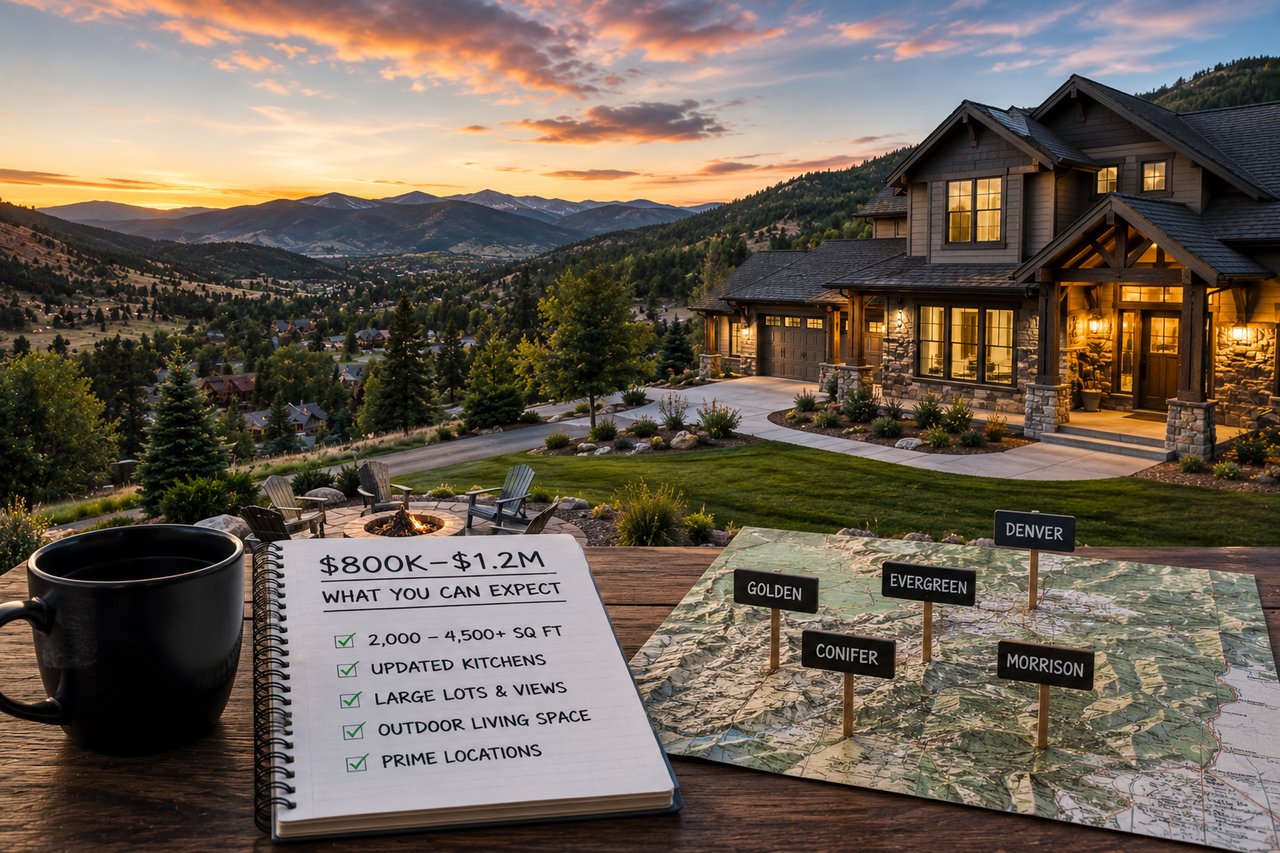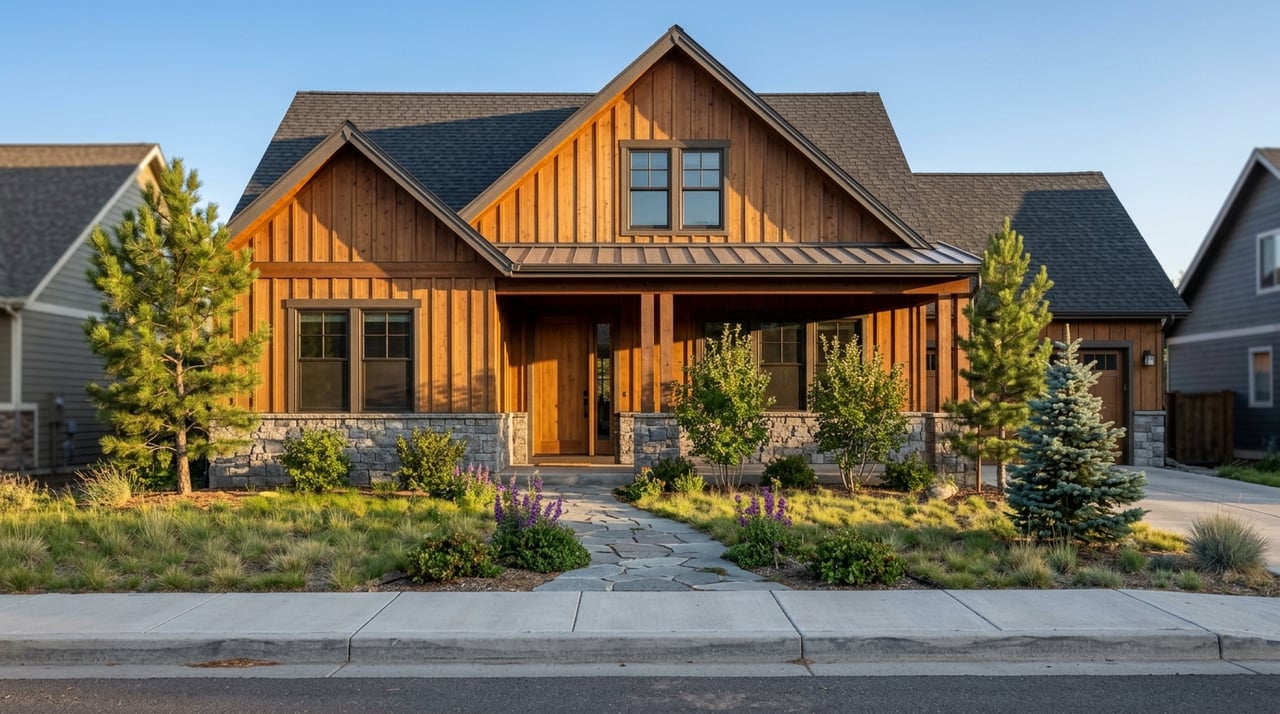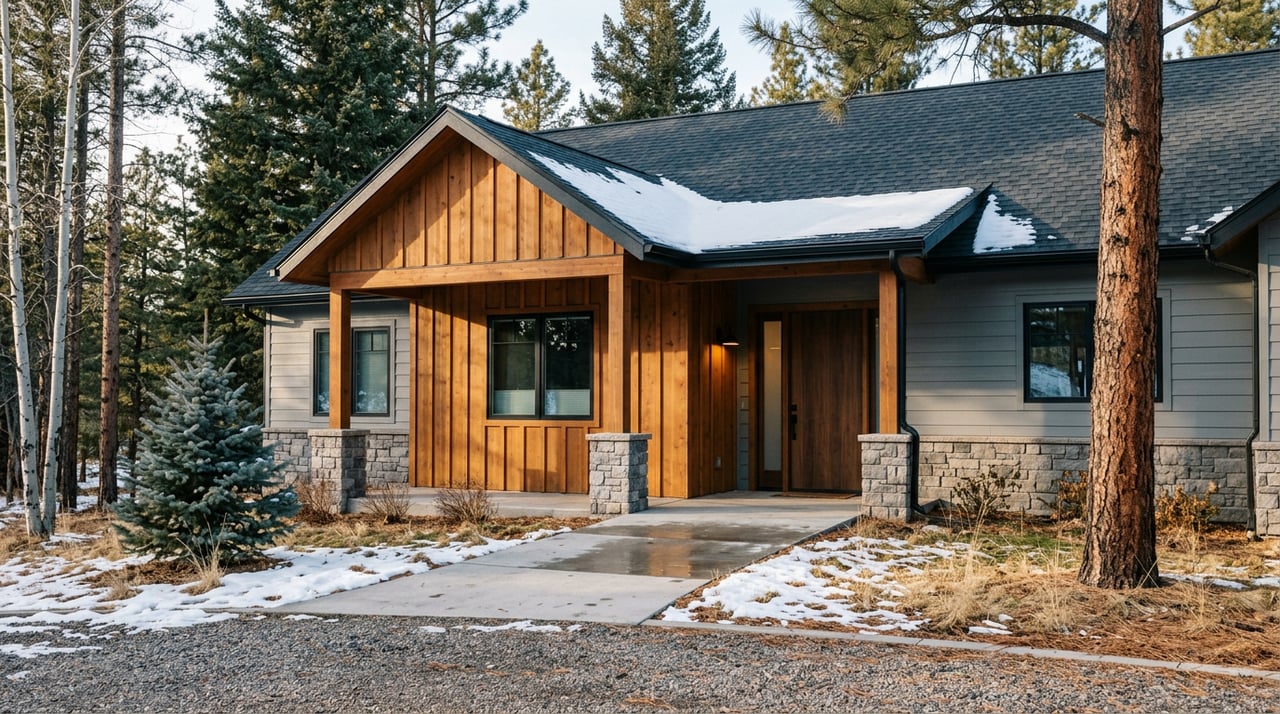
Evergreen and Conifer both deliver the mountain lifestyle you’re after, but they feel different when you live there day to day. If you’re torn between lakeside walks and a lively town center or extra privacy on a forested lot, you’re in the right place. In this guide, you’ll get a clear, side‑by‑side view of lifestyle, budget, commute, winter driving, utilities, wildfire and insurance, and what to verify before you make an offer. Let’s dive in.
Evergreen vs. Conifer at a glance
Evergreen and Conifer sit in Jefferson County’s foothills west and southwest of Denver. You’ll find similar mountain architecture, four seasons, and easy access to trails. The biggest differences show up in layout, pace, and price.
- Evergreen has a true town center and Evergreen Lake, with year‑round programming and a visible arts and restaurant scene. It often carries a higher median sale price than Conifer.
- Conifer stretches along US‑285 with small commercial nodes, larger average lot sizes, and a quieter, more rural feel.
On price, recent provider snapshots show a range rather than a single point. Evergreen has been reported around the high $800ks to low $1Ms for typical or median sale values in early 2026, while Conifer often trends lower, commonly in the low to mid $700ks during the same period. Small monthly sample sizes can swing numbers. Use current neighborhood comps when you get serious.
Lifestyle and amenities
Evergreen: lake life and a walkable core
If you want a foothills town center, Evergreen fits well. Evergreen Lake draws locals for paddling in summer and skating in winter, and the community calendar is steady all year. You can explore lake programming and rentals through the Evergreen Park & Recreation District’s lake page for details on boating, paddleboarding, and seasonal operations. Check the latest activities on the Evergreen Recreation District’s lake programs.
Expect more restaurants and arts events around the village core, plus quick access to parks and I‑70 for day trips.
Conifer: space, trees, and a quieter pace
Conifer’s residential areas are spread out and often wooded, with a strong community network focused on resilience and local events. You’ll find small business hubs along US‑285 and active organizations that connect neighbors. For a local overview and event links, start with the Conifer Area Chamber’s community page.
If your top wish list items are privacy, acreage, and a serene mountain feel, Conifer usually lines up.
Commute and daily access
- Distance to Denver: Evergreen is commonly referenced as about 19 miles west of Denver. Conifer typically runs 30 to 35 miles southwest depending on your exact neighborhood and route. Drive times vary by traffic, weather, and whether you use I‑70/CO‑74 (Evergreen) or US‑285 (Conifer).
- Park‑n‑Ride options: RTD maintains Park‑n‑Ride facilities that serve foothills riders, including Bergen Park and Aspen Park. Schedules change. Check the RTD Park‑n‑Ride page for current locations and service.
Tip: Test your commute during a weekday rush and, if possible, on a snowy morning. That single drive can clarify your decision more than a map can.
Winter driving and road priorities
Mountain roads demand a plan in snow season. CDOT and Jefferson County maintain the main corridors, but storms still slow travel and can trigger closures.
- Plowing priorities: Jefferson County Road & Bridge uses a tiered system for Snow & Ice Control. Residential foothill streets can be lower priority during active storms, with widening after major routes are cleared. See the county’s Snow & Ice Control plan to understand what to expect.
- Project/closure context: Bear Creek Canyon (CO‑74) and US‑285 are active maintenance corridors. Projects and rockfall work can affect travel windows at times. You can review an example of recent work on CO‑74 in Jeffco via CDOT’s project archive.
If you rely on a tight morning schedule, weigh plowing priorities and your vehicle setup when choosing between neighborhoods.
Housing types, lot sizes, and where you’ll find space
- Conifer: Many homes sit on larger parcels, often 1 to 5 acres or more in outlying neighborhoods. Detached single‑family homes dominate, and owner‑occupancy is high. If you want elbow room, Conifer makes it easier to find.
- Evergreen: You’ll see a wider mix. Closer to the lake and town center, lots trend smaller and more walkable. Outside the core, you can still find acreage homes and estates. Variety is the keyword in Evergreen.
A practical way to shop is by “lot bucket” rather than a single town average:
- Village and small‑lot homes or condos near Evergreen’s core.
- Suburban foothill lots around 0.25 to 1 acre in both towns.
- Acreage properties of 1+ acres, more common in Conifer and Evergreen’s outlying areas.
Utilities, water, and sewer
Service varies by neighborhood and even by street. Never assume.
- Evergreen: Many properties are on district water and sewer. The Evergreen Metropolitan District provides service maps, tap information, and rates. Before you write an offer, verify service or tap status via the Evergreen Metropolitan District.
- Conifer and nearby foothills: Expect a mix. Some subdivisions are on smaller water and sanitation districts, while many rural parcels use private wells and septic systems. Confirm district boundaries, well logs, and septic inspection records during due diligence.
Buyer checklist items are below, but at minimum get a seller statement for water source, sewer system, and the most recent septic pump/inspection date and well test.
Wildfire risk, mitigation, and insurance
Both Evergreen and Conifer sit in the wildland‑urban interface. Jefferson County has highlighted the area’s high wildfire risk, and local fire districts offer mitigation programs, home assessments, and chipping or slash services. Get familiar with county guidance through the Jefferson County Wildfire Commission and connect with the Conifer‑area fire district via the Elk Creek Fire/Conifer Fire wildland division.
Insurance is evolving. Colorado passed HB25‑1182, which regulates insurer use of wildfire risk models starting July 1, 2026. It includes requirements for transparency, appeal rights, and discounts when you complete documented mitigation. If you’re shopping, get preliminary quotes and ask what documentation carriers will accept for mitigation credits. You can read the bill summary on the state site: Colorado HB25‑1182.
Bottom line: Build a mitigation plan into your budget from day one. It can improve safety and may help with premiums.
Property taxes and local fees
Colorado uses assessed values and mill levies to calculate tax bills, which vary by district. Special districts and metro fees can be material, and mountain parcels often have multiple district lines. For a plain‑English overview of how tax bills are calculated, start with the county’s FAQ: Jefferson County property tax basics.
When you have a target property, request the most recent tax bill and a list of all district fees so you can forecast carrying costs accurately.
Choose by what matters most
Use these quick frameworks to sort your preferences. If you answer “yes” more often in one column, that town likely fits better.
Lifestyle-first
- You want a walkable village core with year‑round events and a lake view most days. Choose Evergreen. See lake programs through the Evergreen Recreation District.
- You prefer privacy, tall trees, and the sound of wind in the pines over nightlife. Choose Conifer. Start with the GoConifer community page for local groups and events.
- You want a focused mountain‑school identity. Both towns are in Jeffco. Verify exact school boundaries with the district and compare programs.
Budget-first
- You plan to compete near Denver suburban prices but want a foothills lifestyle. Evergreen often runs higher on medians than Conifer, especially near the lake and village.
- You need acreage for hobbies or animals and want more per‑acre value. Conifer commonly offers larger lots and more selection.
- You’re budgeting for mountain ownership costs. Include wildfire mitigation, possible well/septic maintenance, and winter vehicle/driveway needs.
Access-first
- You want the fastest path to I‑70, or a 40‑minute target to downtown Denver in typical conditions. Evergreen often lines up better for that.
- You prefer the US‑285 corridor toward south Denver or south‑metro job centers. Conifer’s location can simplify that drive, but plan for winter slowdowns.
Your due‑diligence checklist
For any Evergreen or Conifer property you love, verify these items before you finalize terms:
- School boundaries and programs: Use Jeffco’s Articulation Areas and School Finder to confirm the exact assigned schools. Start with the Jeffco articulation area page.
- Water and sewer: Confirm district connection versus well/septic. For Evergreen addresses, check tap status and rates with the Evergreen Metropolitan District. Request the last septic pump/inspection record and a recent well flow test if applicable.
- Wildfire and insurance: Ask for any mitigation history or reports. Consider a home assessment through your local fire district and get preliminary insurance quotes that reflect HB25‑1182 mitigation credits. See county context at the Jeffco Wildfire Commission and local programs via the Conifer Fire wildland division.
- Winter access: Drive the route at rush hour and, if possible, during a snow event. Review county priorities so you know when your street is serviced. Check Jeffco’s Snow & Ice Control guidance.
- Property taxes and fees: Pull the most recent tax bill and list of district levies. Review how taxes are calculated in Jefferson County’s FAQ.
- Market comps and sale cadence: Ask your agent for 6 to 12 months of neighborhood comps. Mountain markets can have few monthly closings, so month‑to‑month medians swing.
Schools: how to research fit
Both Evergreen and Conifer are served by Jeffco Public Schools, with their own articulation areas and high schools. School options vary by address, and boundaries can change. For accurate, current information, use the district’s School Finder and articulation maps. You can also review school‑level data such as test scores and college‑readiness indicators on independent sites like GreatSchools. Start with Jeffco’s articulation area page and then review individual school profiles as needed.
Ready to choose your foothills home base?
If you want a town center and lake life, Evergreen will likely feel like home. If you crave space and quiet among the pines, Conifer might be the better fit. Either way, you’ll want clear comps, a winter‑driving check, confirmed utilities, and a wildfire/insurance plan before you write.
Have questions or want a custom Evergreen vs. Conifer game plan built around your commute, budget, and timeline? Reach out to Moxie Property Group to compare neighborhoods, see private video tours, and get parcel‑level due diligence lined up. Start Your Colorado Search.
FAQs
What is the biggest lifestyle difference between Evergreen and Conifer?
- Evergreen has a walkable village and lake with frequent events, while Conifer is more spread out with larger lots and a quieter, rural feel.
How much do homes cost in Evergreen vs. Conifer right now?
- As of early 2026, Evergreen often shows higher median sale values in the high $800ks to low $1Ms, while Conifer commonly trends in the low to mid $700ks, with monthly swings due to small sample sizes.
How are schools assigned in Evergreen and Conifer?
- Both are in Jeffco Public Schools and use articulation areas by address, so confirm the exact boundary with the district’s School Finder before you buy.
How tough are winters and who plows mountain roads?
- CDOT and Jefferson County maintain major corridors, but residential streets follow a tiered plowing plan, so expect slower service during active storms.
How does wildfire risk affect buying and insurance in the foothills?
- Both areas are in the wildland‑urban interface, so plan for defensible space and mitigation; Colorado’s HB25‑1182 adds transparency and discounts for documented mitigation starting July 1, 2026.
Will my Conifer home be on well and septic?
- Many Conifer parcels use private wells and septic systems, though some neighborhoods are on small districts, so verify service at the parcel level during due diligence.