If you want a Denver neighborhood with real city energy, Capitol Hill is usually one of the first places that comes up. It blends historic architecture, dense housing, busy streets, and a walkable daily routine in a way that feels distinctly urban. If you are trying to decide whether Cap Hill fits your lifestyle, this guide will help you understand what living here actually looks like, from housing and transit to parking and everyday pace. Let’s dive in.
What Capitol Hill feels like
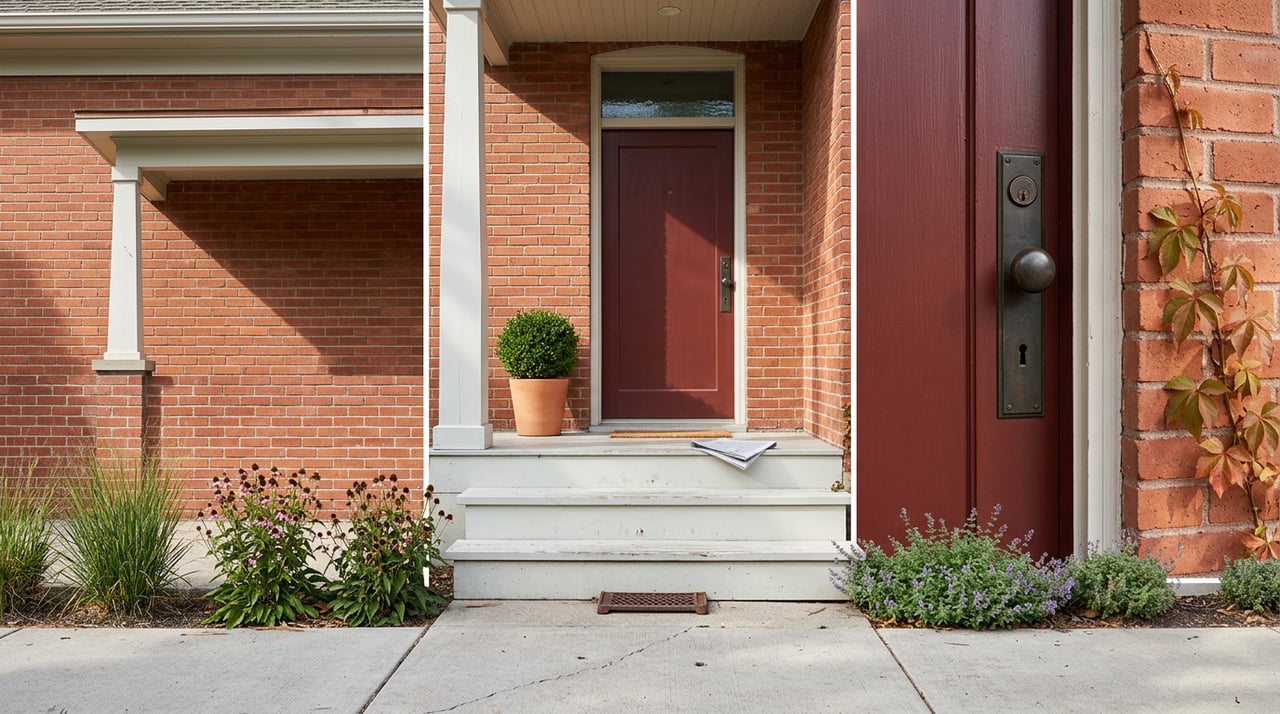
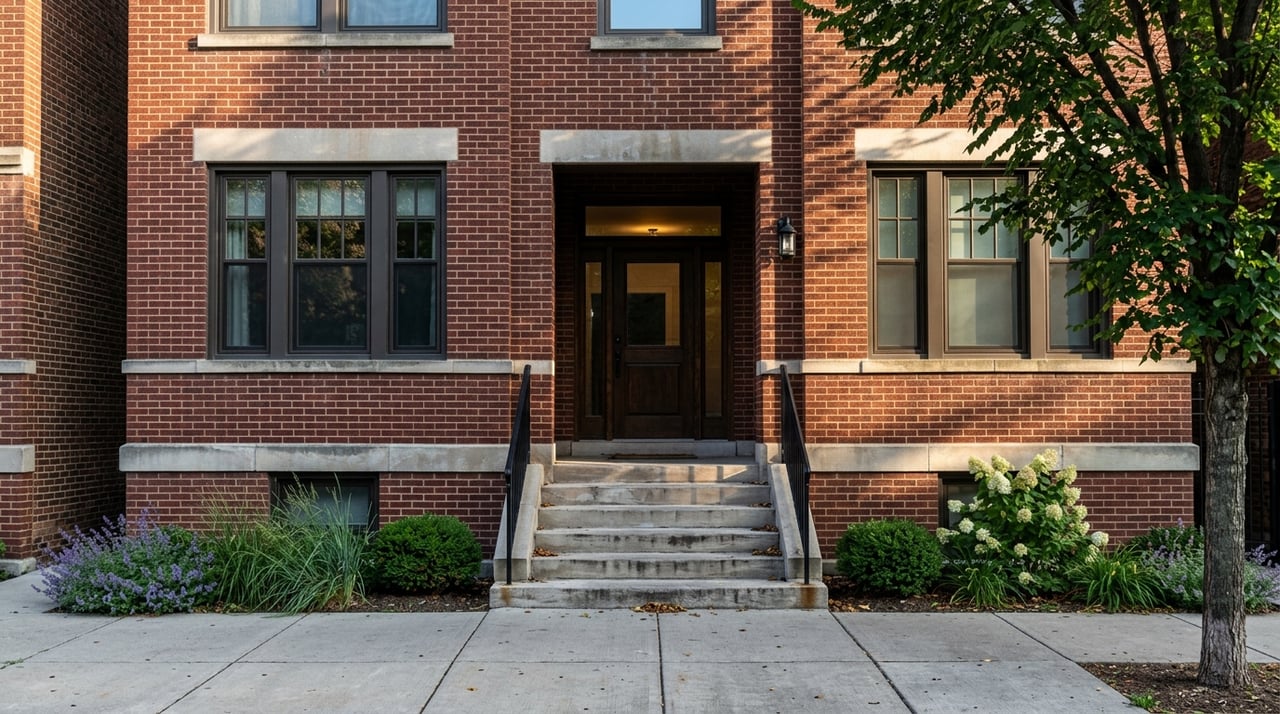
Capitol Hill is one of Denver’s densest residential neighborhoods, with a traditional street grid, tree-lined blocks, and a mix of historic mansions, apartment buildings, and newer high-rise condos. According to Denver planning materials, it has long served as a central neighborhood where older and newer housing types exist side by side. That mix gives the area a layered feel that is very different from a newer planned community.
The neighborhood also has a strong reputation as a landing spot for newcomers to Denver. City planning documents describe a resident base that skews toward people in their late twenties and early thirties, which helps explain the neighborhood’s active, fast-moving vibe. If you like being in the middle of things, that energy is often part of the appeal.
Historic charm is part of daily life
One reason Capitol Hill stands out is its deep historic character. Historic Denver’s Capitol Hill walking tour highlights the area’s late-19th-century mansions and the stories tied to many of its early prominent residents. You do not have to be a history buff to notice that the neighborhood feels rooted and architectural.
Instead of reading like a modern district built all at once, Capitol Hill feels like an older urban core that evolved over time. That shows up in the street pattern, the housing mix, and the way grand historic buildings sit near everyday apartment living. For many buyers and renters, that contrast is a big part of the neighborhood’s charm.
Housing in Capitol Hill
Capitol Hill is not a typical single-family neighborhood. The East Central Area Plan says 97% of housing units in Capitol Hill are attached or multi-unit, and 74% of homes are studios or one-bedroom units. That tells you a lot about who the housing stock tends to serve best.
The same plan reports that 79% of households are renters, while only 21% are owner-occupied. In practical terms, Capitol Hill is a rental-first, condo-heavy neighborhood where many people try central Denver living without committing to a detached home setup. If you are shopping for a condo, smaller footprint home, or low-car urban lifestyle, that can make the neighborhood a strong fit.
If you need more square footage, multiple parking spaces, or a yard-and-garage setup, the housing mix may feel limiting. That does not mean options never exist, but it does mean the neighborhood is better known for compact urban living than for larger-home inventory. Setting expectations early can save you time if you are comparing Cap Hill with other Denver neighborhoods.
Cost and affordability realities
Capitol Hill offers central access, but affordability is still a real issue for many households. The East Central Area Plan reports that 44% of renter households and 29% of owner households are cost-burdened. The same document notes that Capitol Hill is considered vulnerable to displacement because of its high renter share and below-Denver-median incomes.
For you, that means lifestyle and budget should be weighed together. A central location, walkable errands, and transit access may reduce some transportation costs, but housing costs still matter. If you are deciding between convenience and space, Capitol Hill often puts that tradeoff front and center.
Walkability and daily routine
If your ideal day includes walking to coffee, dinner, a service appointment, or a social stop, Capitol Hill has a lot going for it. CHUN describes the neighborhood area as vibrant, walkable, and economically inclusive, and its business and community network reflects a wide range of local destinations. Denver planning materials also note that restaurants, apartments, and office spaces sit within short walking distance of one another.
The neighborhood also benefits from its position near major commercial corridors like Broadway and 6th Avenue. That means everyday routines can feel efficient, especially if you prefer to stay close to home for meals, errands, or meeting friends. For many residents, that easy access is one of the biggest reasons Capitol Hill stands out.
Food, culture, and nearby anchors
Capitol Hill offers more than housing density. CHUN’s member network points to restaurants, bars, wine and coffee spots, salons, co-working spaces, and community organizations, which helps paint a picture of daily life that is active and varied. You are not looking at a purely residential pocket. You are looking at a neighborhood with built-in activity.
The area is also close to cultural and civic anchors. Historic Denver highlights the neighborhood’s historic significance, while CHUN identifies nearby destinations such as the Denver Botanic Gardens and The Center on Colfax. For residents, those nearby anchors can add to the neighborhood’s sense of connection and identity.
Transit access in Capitol Hill
Capitol Hill works especially well for people who want central access without relying on a car for every trip. RTD schedules show service on major nearby routes including Route 0 Broadway, Route 10 East 12th Avenue, Route 12 South Downing, Route 15 East Colfax, and Route 15L East Colfax Limited. Those routes connect Capitol Hill with downtown, Civic Center, Cheesman Park, and other central Denver destinations.
RTD also notes that the 15 and 15L corridor has traditionally served more than 20,000 customers per day. That number helps explain why East Colfax remains such an important transit spine for the neighborhood. If you prefer a car-light lifestyle, this level of service is a major advantage.
There is also a long-term transit change in progress. RTD says East Colfax BRT construction is underway between Broadway and Fairfax, with Route 15 and 15L service continuing through temporary stop changes as needed. The project is expected to debut in 2027.
Parking and car ownership
Parking in Capitol Hill is managed, not effortless. Denver’s residential parking permit program limits permits based on off-street parking availability, with eligible addresses able to obtain up to two permits if off-street parking exists or up to three if it does not. Meter parking is free on Sundays and city holidays, but rates and time limits vary by location.
That matters if you drive daily or expect easy guest parking. In a neighborhood this dense, parking is part of the lifestyle equation, not an afterthought. If parking convenience is a top priority for you, it is worth looking closely at each building or block before making a move.
Noise, traffic, and urban tradeoffs
Capitol Hill’s energy comes with tradeoffs. The East Central Area Plan says Broadway, Lincoln, and Colfax each carry more than 20,000 vehicles per day, and Capitol Hill has the second-highest concentration of vehicular crashes in the East Central area. Those are important facts to keep in mind if you are comparing Capitol Hill with quieter parts of Denver.
In everyday terms, this means street noise, traffic, delivery activity, and a steady level of bustle are part of the experience. For some people, that feels exciting and convenient. For others, it can feel like a drawback, especially if you are used to quieter streets or more private outdoor space.
Who Capitol Hill fits best
Capitol Hill is often a strong match for renters, condo buyers, newcomers to Denver, and households that want central access and good transit options. If you value walkability, historic character, and being close to restaurants and city activity, the neighborhood checks a lot of boxes. It can also be appealing if you want to test urban Denver living before buying in another part of the city.
It is usually a weaker fit if your top priorities are quiet streets, larger lots, easy private parking, or a more traditional detached-home setup. The housing stock, density, and traffic patterns all point toward a more urban daily rhythm. The key is not whether Capitol Hill is good or bad. It is whether its tradeoffs match the way you want to live.
Why local guidance matters
Neighborhood fit is about more than price or square footage. In Capitol Hill, small differences between blocks, building types, and transit access can shape your daily experience in a big way. If you are relocating, buying your first Denver condo, or narrowing down city neighborhoods, it helps to have guidance grounded in real lifestyle details.
That is where a local, neighborhood-focused team can make the process easier. If you want help comparing Capitol Hill with other Denver neighborhoods or finding the right condo, townhome, or urban home setup for your goals, connect with Moxie Property Group to start your Colorado search.
FAQs
Is Capitol Hill in Denver good for walking?
- Yes. Denver planning materials and CHUN describe Capitol Hill as walkable, with restaurants, offices, and daily destinations located within short distances of one another.
Is Capitol Hill in Denver mostly rentals or owner-occupied homes?
- Capitol Hill is mostly rentals. The East Central Area Plan says 79% of households are renters and 21% are owner-occupied.
What types of homes are common in Capitol Hill Denver?
- Attached and multi-unit housing dominates the neighborhood. The East Central Area Plan says 97% of units are attached or multi-unit, and 74% are studios or one-bedrooms.
Is parking difficult in Capitol Hill Denver?
- Parking can be a challenge compared with less dense neighborhoods. Denver manages parking through residential permits, and meter rules vary by location.
Does Capitol Hill Denver have good public transit?
- Yes. RTD serves the area with several major bus routes, including the 0, 10, 12, 15, and 15L, which connect Capitol Hill to central Denver destinations.
Is Capitol Hill Denver a quiet neighborhood?
- Generally, no. Capitol Hill is a dense urban neighborhood with high-traffic corridors nearby, so street noise and everyday activity are part of daily life.