Trying to decide between a condo or a townhome in Denver’s Baker neighborhood? You are not alone. Both options offer low‑maintenance living close to downtown, but they differ in how you own, finance, insure, and maintain your home. In this guide, you will learn the key differences, what monthly costs to expect, and how to complete smart due diligence before you buy. Let’s dive in.
Condo vs. townhome basics in Colorado
What a condo means for you
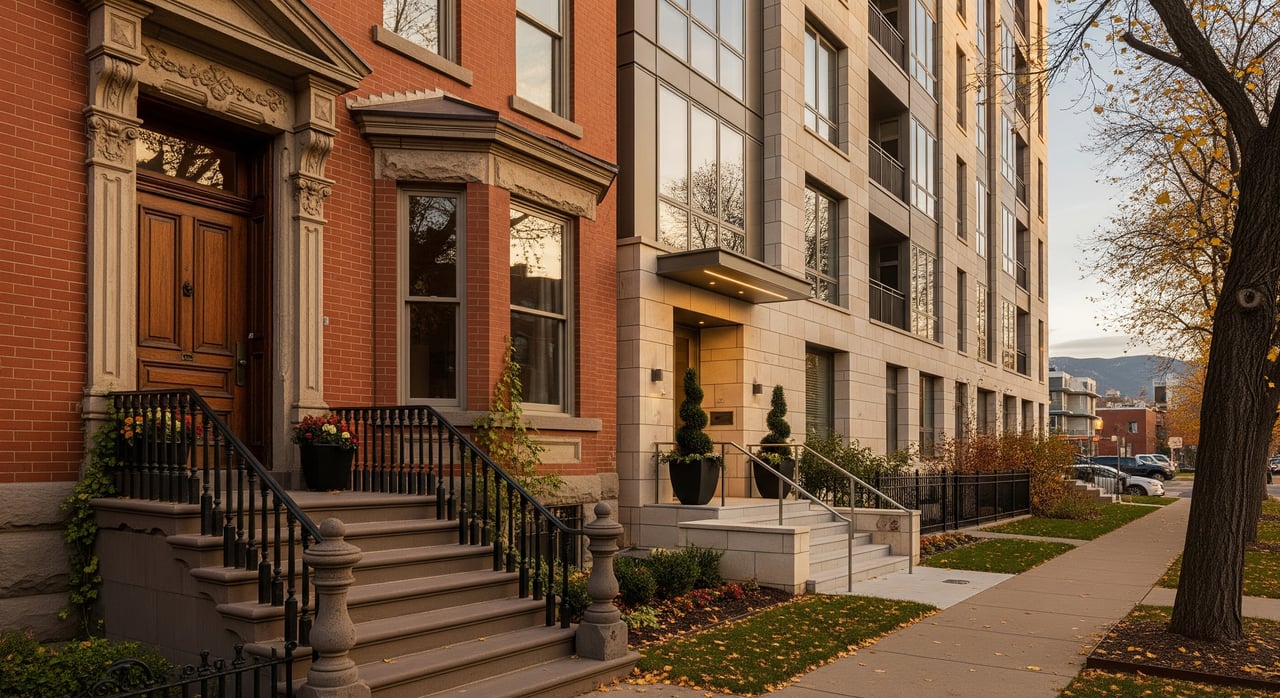
A condo typically means you own your interior space plus a shared interest in the building’s common areas. An association manages the building and enforces rules. In Colorado, common‑interest communities operate under rules and disclosures informed by state law, and you can explore owner rights and HOA requirements through the Colorado Division of Real Estate’s HOA resources. Practically, you handle interior upkeep while the association handles the exterior and common systems.
What a townhome means for you
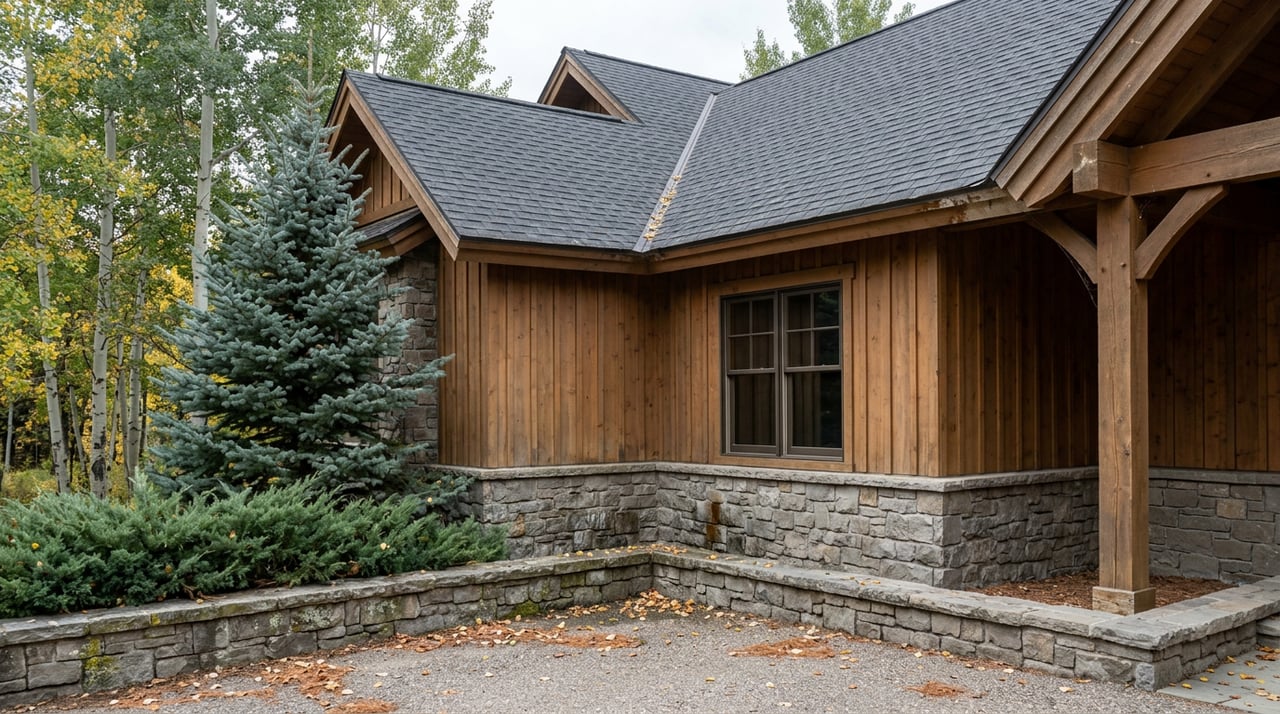
A townhome is often fee simple, so you usually own the structure and the land beneath it. Some townhomes are part of a Planned Unit Development with an HOA that maintains shared areas. This setup often gives you more control and more exterior responsibilities. Exterior maintenance can include the roof, siding, and small yards, depending on the governing documents.
Monthly costs and maintenance in Baker
HOA dues and what they cover
Condo dues often cover exterior maintenance, roof, landscaping, trash, common utilities, building insurance, property management, and reserves for big repairs. Some buildings also include water or heat, which affects your monthly budget. Townhome HOA dues vary a lot. Some cover only landscaping and snow removal while others include exterior elements.
- In urban Denver, small low‑amenity condo associations can be under about $200 to $300 per month. Amenity‑rich buildings commonly range from about $300 to $800+ per month. Fees reflect services, building age, and whether utilities are included. Always check current listings for exact HOA amounts.
Special assessments and reserves
Both condos and townhome communities can levy special assessments for big repairs. Healthy budgets and reserve studies help reduce that risk. Before you buy, request recent budgets, reserve studies, and board meeting minutes to spot upcoming projects or shortfalls.
Who handles maintenance
- Condo: You are usually responsible for the interior. The association handles the building exterior and shared systems.
- Townhome: You often handle both interior and exterior maintenance. Your ongoing costs may be higher, but you get more control over materials and timing.
Lending differences you should know
Financing condos vs. townhomes
Condo loans involve project‑level review. Lenders may check owner‑occupancy ratios, reserve levels, delinquency rates, commercial use, and any litigation. FHA and VA loans are possible for condos, but the project must be eligible. You can learn more about condo approvals through HUD’s FHA condominium page and Fannie Mae’s condo project review guidance. Townhomes that are fee simple are often underwritten like single‑family attached homes and may face fewer project‑level hurdles.
Practical tip: if you plan to use FHA or VA financing, verify the project’s eligibility early to avoid delays. Lenders may require a condominium questionnaire from the HOA, so get the association’s contact info upfront.
Insurance: what you need to budget
- Condo: You typically buy an HO‑6 policy for your interiors, personal property, and liability. The HOA carries a master policy for the building’s common elements. Ask for the master policy declarations and deductibles because high deductibles can result in owner assessments after a claim. The Insurance Information Institute’s condo insurance guide explains what HO‑6 policies usually cover.
- Townhome: You will likely need a dwelling policy that covers both exterior and interior, similar to a single‑family home policy. Premiums and deductibles can differ from an HO‑6, so confirm quotes early.
Resale and lifestyle near downtown Denver
In walkable, transit‑served neighborhoods like Baker, both condos and townhomes draw interest from buyers who want convenience and urban amenities. For up‑to‑date sales trends, days on market, and inventory, check the Denver Metro Association of Realtors market trends. If walkability is a priority, look up a specific address on Walk Score to compare locations within Baker.
- Condos can be attractive if you want minimal maintenance and building amenities. Project issues like litigation or low reserves can limit financing options and reduce the buyer pool.
- Townhomes offer more autonomy and can appeal to buyers who want land and exterior ownership without the upkeep of a detached home. Underwriting is often more straightforward, which can help marketability.
Quick decision checklist
Use this side‑by‑side check to find your fit:
- Budget style: Prefer one monthly fee that covers many items (condo), or prefer more control with separate exterior costs (townhome)?
- Maintenance tolerance: Want the HOA to handle most exterior work (condo), or are you comfortable managing roof and siding over time (townhome)?
- Amenities vs. dues: Value elevators, gyms, and on‑site features (condo), or prefer simpler common areas and potentially lower dues (townhome)?
- Financing path: Planning FHA or VA financing that requires project approval (condo), or want fewer project‑level checks (townhome)?
- Rental flexibility: Need the option to rent? Compare HOA rental rules for both options before you buy.
- Insurance exposure: Comfortable with a master policy plus HO‑6 (condo), or prefer a single dwelling policy that covers exterior and interior (townhome)?
If you want a broader pros and cons overview, the National Association of Realtors’ consumer resources offer helpful context on condos and HOAs.
Due diligence checklist before you buy
Request and review these items early so you know exactly what you are buying:
- Governing documents: CC&Rs, bylaws, rules and regulations, and the declaration
- Financials: Current year budget, balance sheet, bank statements for reserves, and a delinquency report
- Reserve study: Most recent study and any capital plan
- Meeting minutes: Last 12 to 24 months to spot disputes, assessments, and planned projects
- Insurance: Master policy declarations, coverage limits, and deductibles; verify what your policy must cover
- Special assessments: Any pending or approved assessments, plus the history of past assessments
- Rental and pet rules: Confirm any restrictions and owner‑occupancy requirements
- Building condition: Recent inspections or reports for the roof, exterior, building envelope, HVAC, and elevators when relevant
- Financing: Ask your lender about project approval requirements for FHA, VA, Fannie Mae, or Freddie Mac. Many lenders will request an HOA questionnaire.
For Colorado HOA rights, disclosures, and board practices, review the Colorado Division of Real Estate’s HOA guidance. For broader condo financing rules, see HUD’s FHA resources and Fannie Mae’s project review page.
How we help you buy in Baker
You deserve clear guidance, not guesswork. We help you compare specific Baker condos and townhomes, line by line, so you see the total monthly picture across dues, utilities, insurance, and maintenance. We also coordinate with your lender on project approvals, request key HOA documents, and flag reserve or insurance red flags before you commit.
If you are exploring a move to Baker or want to compare neighborhoods near downtown, connect with Moxie Property Group. We pair local insight with modern, high‑touch service so you can buy with confidence.
FAQs
What is the main ownership difference between condos and townhomes in Denver?
- Condos usually include interior ownership plus shared common areas, while townhomes are often fee simple where you own the structure and land; responsibilities and rules come from the HOA documents.
How do HOA fees in Baker typically compare for condos vs. townhomes?
- Condos often have higher dues that cover building systems and amenities, while townhome dues vary and can be lower if owners handle more exterior work; always verify the specific listing’s HOA amount.
Can I use an FHA or VA loan to buy a condo in Baker?
- Yes, if the condo project meets program eligibility; check project status early using your lender and resources like HUD’s condo guidance to avoid delays.
What insurance do I need for a condo vs. a townhome?
- Condo owners typically carry an HO‑6 for interiors and personal property while the HOA insures common elements; townhome owners often need a dwelling policy that covers both exterior and interior.
How can I reduce the risk of special assessments before I buy?
- Review the HOA’s reserve study, audited financials, budgets, meeting minutes, and master policy deductibles to understand funding levels and planned projects.