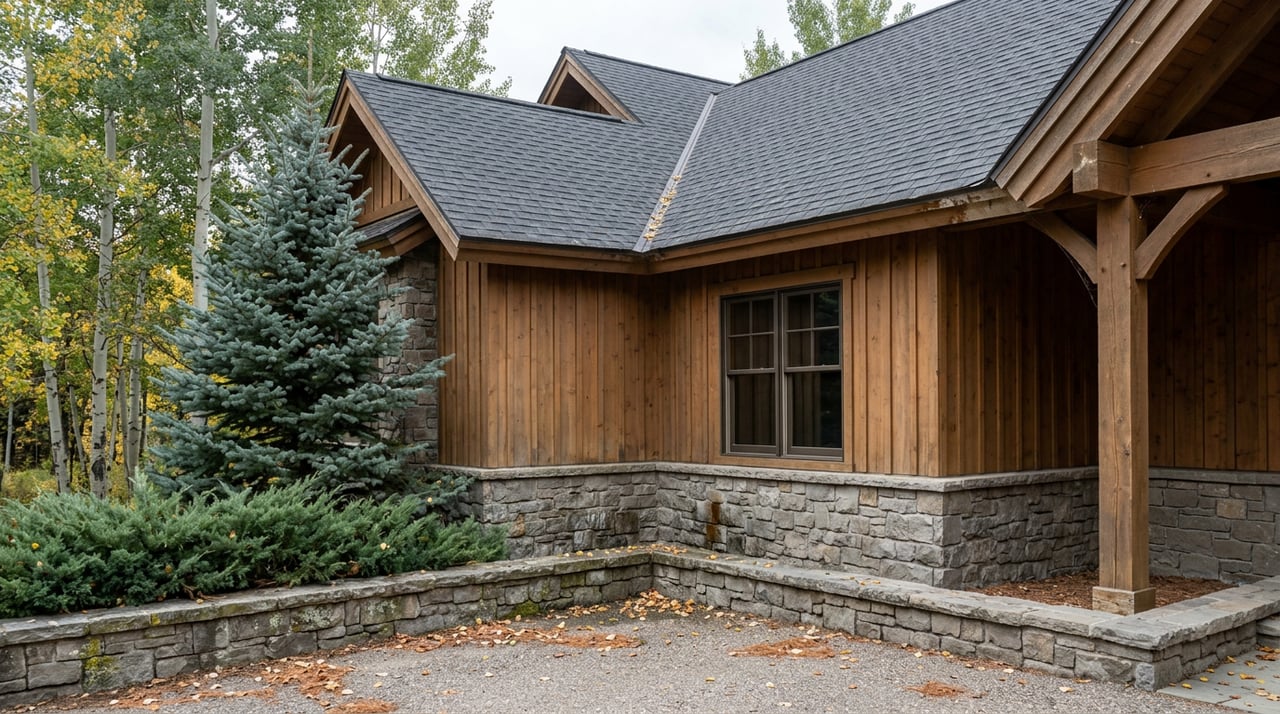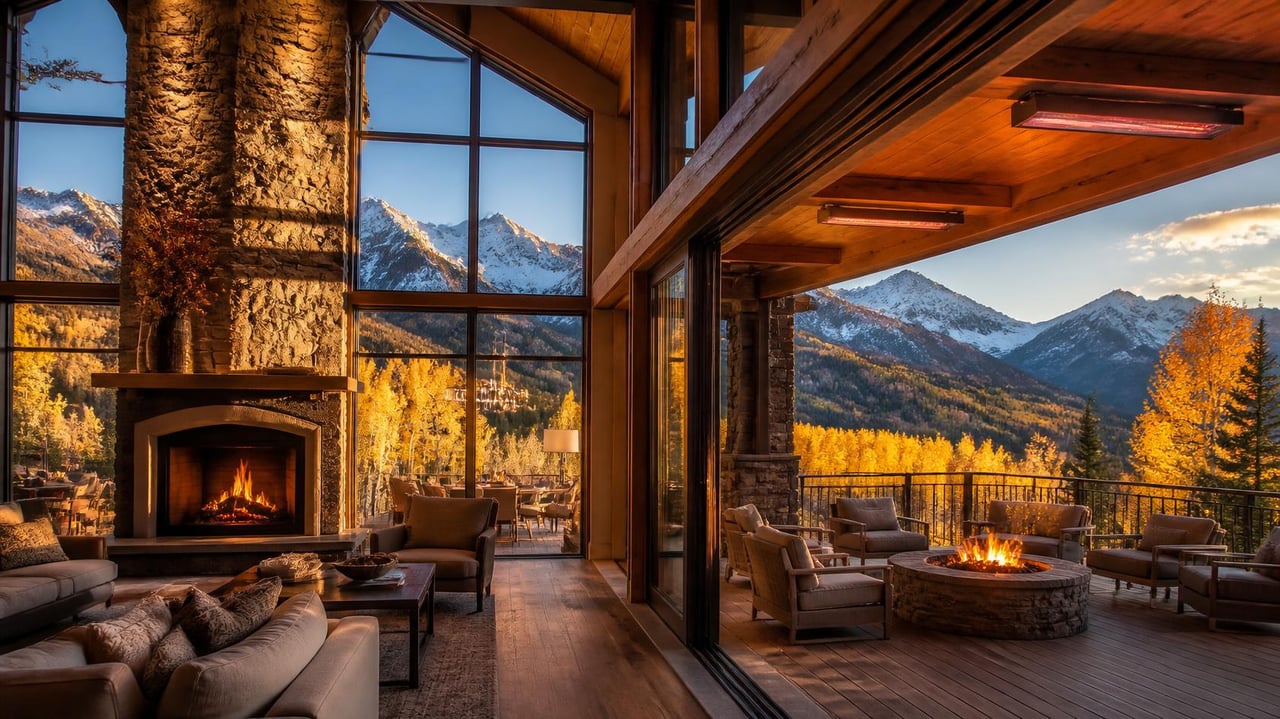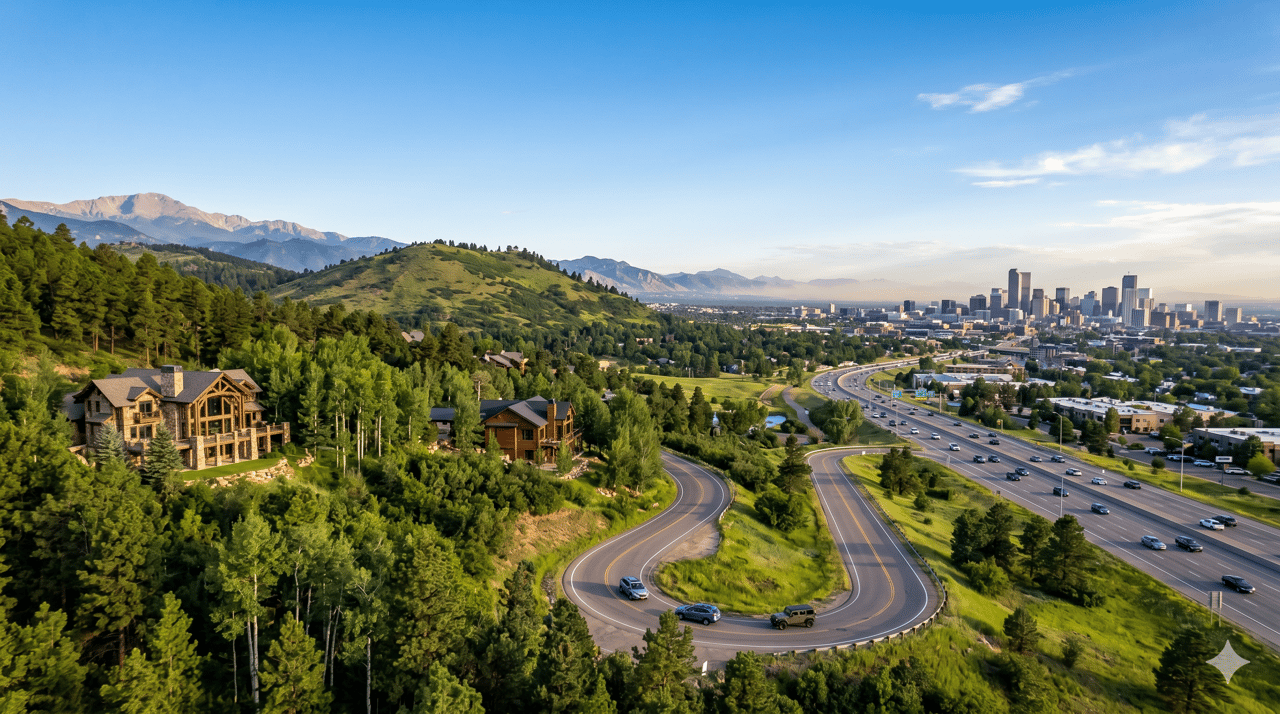
Living in the Colorado foothills west of Denver offers one of the most desirable lifestyles in the state—wide-open space, mountain views, fresh air, and direct access to nature. Communities like Evergreen, Conifer, Golden, Morrison, and Bailey continue to attract buyers who want more than just a house—they want a lifestyle. But with that comes one of the most important considerations: the commute.
At Moxie Property Group, The Best Luxury and Mountain Real Estate Team in Colorado, we help clients understand exactly what daily life looks like in these areas. The reality is, commuting from the foothills is not just about distance—it’s about timing, location, and strategy. When you understand how it works, it becomes a manageable and often worthwhile trade-off.
Why Buyers Are Choosing the Foothills
The demand for foothill living continues to rise, especially as buyers prioritize lifestyle over proximity. The ability to step outside your door and immediately be in nature is something that continues to drive migration into these areas.
Top reasons buyers are making the move:
-
Larger homes and more land compared to the city
-
Increased privacy and quieter surroundings
-
Direct access to hiking, biking, and outdoor recreation
-
Strong long-term property value in mountain communities
-
A slower pace of life without leaving the Denver metro area
For many homeowners, the commute becomes secondary to the quality of life gained.
Typical Commute Times to Denver
One of the first questions buyers ask is, “How long will my commute be?” The answer varies based on location, elevation, and route access.
Here’s a general breakdown:
-
Golden and Morrison: 20 to 30 minutes to downtown Denver
-
Evergreen: 30 to 45 minutes depending on neighborhood
-
Conifer: 35 to 50 minutes via Highway 285
-
Bailey: 45 to 65+ minutes depending on distance and conditions
These times can shift based on traffic, weather, and time of day, but overall, most foothill commutes are very manageable—especially compared to larger metro areas.
Understanding the Main Routes
Where you live determines how you commute. The foothills rely on a few key corridors that connect directly into the Denver metro.
Primary routes include:
-
I-70: Ideal for Evergreen, Genesee, and Golden residents
-
Highway 285: Main route for Conifer, Bailey, and southern foothills
-
Highway 74 (Bear Creek Canyon): A scenic alternative connecting Evergreen and Morrison to Denver
Each route offers a different experience, from fast highway access to slower, more scenic drives through canyon roads.
Traffic Patterns and Timing
Unlike city traffic, foothill traffic is less constant but more dependent on timing. Knowing when to leave can make a significant difference.
What to expect:
-
Morning traffic heading into Denver between 6:30 AM and 8:30 AM
-
Evening traffic returning to the foothills between 4:00 PM and 6:30 PM
-
Bottlenecks near C-470, I-70 interchanges, and Highway 285 merge points
-
Increased weekend traffic from tourism and outdoor recreation
Many residents adjust their schedules slightly to avoid peak congestion, which can significantly improve commute times.
Weather and Road Conditions
Colorado’s weather plays a role in commuting, especially in the winter and shoulder seasons. However, many buyers are surprised by how manageable it is.
Key things to know:
-
Snow is common, but Colorado’s sunshine helps roads clear quickly
-
County-maintained roads are prioritized for plowing and maintenance
-
South-facing roads and driveways melt faster than north-facing ones
-
Higher elevation areas may experience longer snow retention
With proper planning and awareness, commuting remains consistent even during winter months.
Remote Work Has Changed the Equation
One of the biggest shifts in recent years is how remote and hybrid work have reshaped commuting expectations. Many buyers are no longer commuting five days a week, making foothill living more practical than ever.
Today’s buyers are:
-
Commuting fewer days per week
-
Prioritizing home environment and lifestyle
-
Moving further into the foothills for better properties
-
Focusing on internet connectivity as a key home feature
This shift has expanded the range of viable locations for buyers looking west of Denver.
What to Look for When Choosing a Home
Not all foothill properties offer the same commuting experience. Small location differences can have a major impact on your day-to-day life.
Important factors to evaluate:
-
Distance to major highways like I-70 or Highway 285
-
Road type, including paved versus dirt roads
-
Driveway slope and accessibility during winter
-
Proximity to grocery stores and daily essentials
-
Internet availability and service quality
Choosing the right micro-location within a community can make your commute significantly easier.
The Lifestyle Trade-Off
The biggest reason people move to the foothills is simple: lifestyle. You’re trading a slightly longer commute for a dramatically different way of living.
Instead of:
-
Traffic noise and dense neighborhoods
You get:
-
Quiet mornings and mountain views
-
Wildlife passing through your property
-
Immediate access to trails and open space
-
A stronger connection to nature
For most buyers, this trade-off is not just acceptable—it’s the entire reason they make the move.
Why Strategy Matters
Commuting from the foothills is not just about distance—it’s about making smart decisions from the start. The right home in the right location can make all the difference.
At Moxie Property Group, we help our clients:
-
Identify areas that match their commute preferences
-
Evaluate properties based on real-world accessibility
-
Understand how seasonal changes impact daily life
-
Make informed decisions that align with long-term goals
We don’t just show homes—we help you understand how they fit into your lifestyle.
CONTACT US:
🏡 Moxie Property Group
The Best Luxury and Mountain Real Estate Team in Colorado
📞 (303) 578-1220
💻 [email protected]
📺 YouTube Video