If you’re thinking about buying a condo in Capitol Hill, Denver, you’re probably already seeing the appeal. This central neighborhood offers a wide range of condo options, from compact studios in older buildings to larger updated units in high-rises, but that variety also means the buying process can feel less straightforward than you expected. The good news is that once you know what to look for, you can shop with a lot more confidence. Let’s dive in.
Capitol Hill condo buyers should expect variety
Capitol Hill sits near the center of Denver, generally between Speer Boulevard, Downing Street, Colfax Avenue, and 7th Avenue. City planning materials describe it as one of Colorado’s densest residential neighborhoods, with a mix of historic mansions, apartments, and newer high-rise condo buildings.
That mix matters when you start your search. In Capitol Hill, you are not shopping one uniform condo product. You are comparing very different building types, ownership structures, layouts, and maintenance realities, often within just a few blocks.
Denver planning documents also note the neighborhood’s strong historic-preservation focus and the importance of adaptive reuse. In practical terms, that means many Capitol Hill condos are in older buildings or conversion-style properties, not just newer construction.
Capitol Hill condo prices cover a wide range
One of the first things buyers notice in Capitol Hill is the spread in pricing. Current listings show condos ranging from about $172,000 for a studio to roughly $623,900 for a two-bedroom unit, with many one- and two-bedroom condos falling between about $185,000 and $499,000.
Recent market trackers place the neighborhood’s price benchmark in the low-to-mid $300,000s. Redfin reported a median sale price of $308,250, while Realtor.com showed a median price of $327,000, along with 42 median days on market and a median price per square foot of $384.
The key takeaway is simple: price in Capitol Hill is not just about the neighborhood name. It is often shaped by unit size, building age, renovation level, parking setup, and the overall quality and financial health of the HOA.
Older buildings change the buying experience
If you are used to touring newer suburban condos, Capitol Hill may feel different right away. Older urban buildings can offer character, walkable locations, and unique layouts, but they can also come with more complex due diligence.
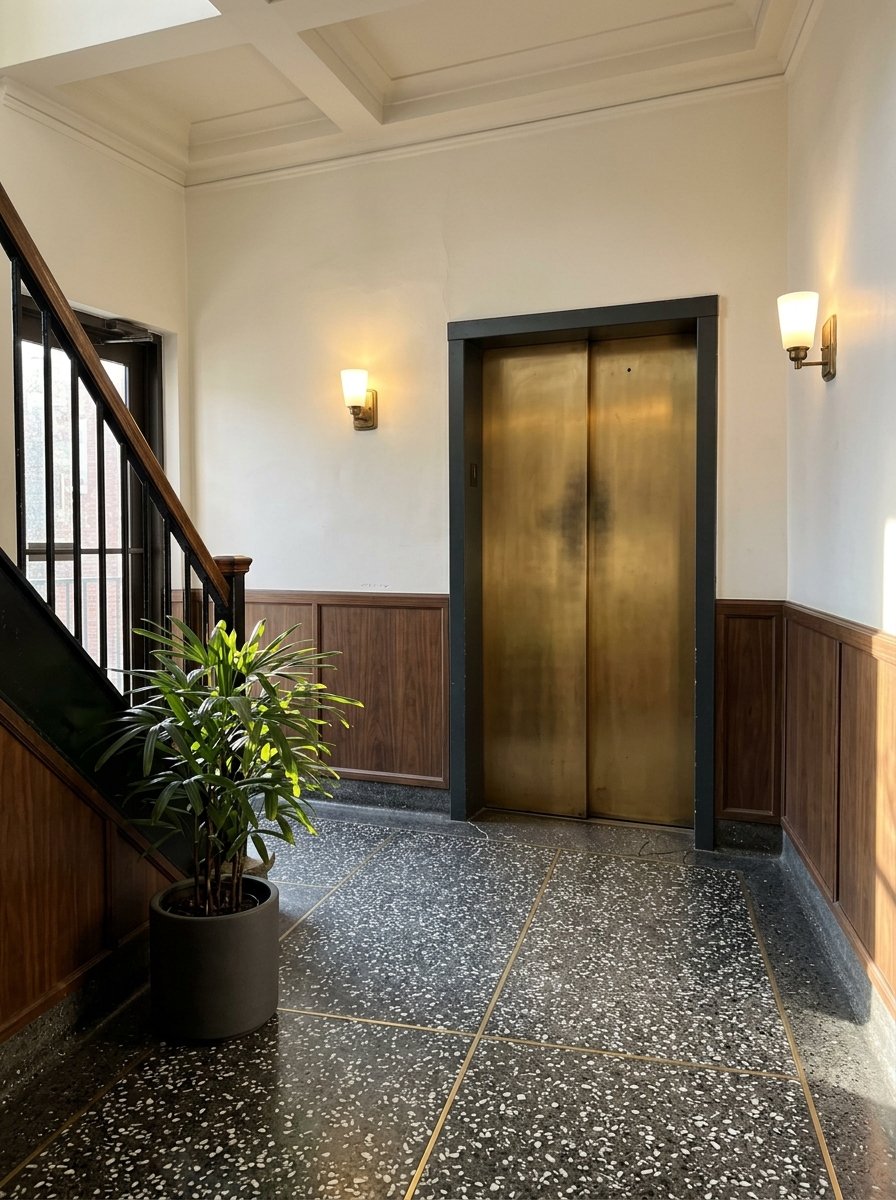
That is because your purchase is tied to more than the unit itself. In many condo buildings, shared systems and common elements like roofs, elevators, entry systems, and building-wide plumbing or drainage can affect your ownership costs and future maintenance.
A nicely updated kitchen does not tell you everything you need to know. In Capitol Hill, the building often matters just as much as the unit.
HOA review is a major part of the process
In Colorado, condo buyers under contract are entitled to the Section 7 association documents. According to the Colorado Department of Regulatory Agencies, those documents can include the declaration, bylaws, rules, meeting minutes, insurance information, assessment schedules, financial statements, closing fees, and any reserve study or construction-defect notices.
This review is not a box to check at the last minute. DORA specifically emphasizes looking at the HOA’s financial health, insurance coverage, and meeting minutes for signs of possible special assessments or larger building issues.
That matters even more in a neighborhood like Capitol Hill, where many buildings are older and governance can vary from one association to the next. Colorado also notes that some pre-July 1, 1992 communities may still be subject to older law, which can make the document review more nuanced in longtime Denver condo buildings.
What to look for in HOA documents
As you review association documents, focus on the items most likely to affect your budget and day-to-day ownership:
- Monthly dues and what they cover
- Recent increases in dues
- Special assessments, whether current or planned
- Reserve funding and any reserve study
- Insurance coverage carried by the association
- Rules on pets, parking, rentals, and use of common areas
- Recent meeting minutes that mention repairs, disputes, or major projects
- Fees due at closing, such as status-letter fees, record-change fees, reserves, or working-capital contributions
A low monthly HOA fee can look appealing at first. But if the reserves are thin or major repairs are coming, that lower fee may not tell the full story.
Parking in Capitol Hill needs extra attention
Parking is one of the biggest micro-market issues for condo buyers in Capitol Hill. In a dense urban neighborhood, parking arrangements can differ a lot from building to building.
Some condos include deeded parking, while others may offer an assigned space, a leased space, or no off-street parking at all. In some cases, the practical reality is that you may rely heavily on street parking.
Denver manages public right-of-way parking through the city’s parking permit system. Colorado DORA also notes that HOAs may only enforce parking restrictions on roads that are not public right-of-way.
Questions to ask about parking
Before you move forward, make sure you know exactly how parking works for that unit:
- Is the parking space deeded, assigned, leased, or first-come, first-served?
- Is the space covered or uncovered?
- Is guest parking available?
- Does the building rely mostly on street parking?
- Is the property located in an area where residential parking permits affect daily use?
This is one of those details that can strongly affect your day-to-day satisfaction. A condo that looks perfect online may feel very different if parking turns out to be inconvenient or uncertain.
Pet policies are building-specific
If you have a pet, or think you may in the future, do not assume every Capitol Hill condo will fit your plans. Pet policies are typically building-specific and are often found in the association’s rules and regulations.
That means one building may allow pets with size or quantity limits, while another may have stricter rules. It is best to confirm those details early instead of waiting until the final stages of the transaction.
Inspections matter beyond the unit walls
Colorado’s residential sales contract treats inspection, title review, appraisal, financing, survey, covenants, and HOA document review as major contingency items. For condo buyers in Capitol Hill, inspections are especially important because many buildings are older and may have age-related issues that are not obvious during a showing.
Colorado’s seller disclosure form highlights a range of items that can matter in older properties, including roof leaks or damage, gutters and downspouts, electrical service, aluminum wiring, switches and outlets, elevators, heating systems, water heaters, water lines and pressure, galvanized pipe, sewer lines, and drainage or flooding issues.
Those concerns are not automatic red flags. They are simply reminders that older urban buildings deserve careful review and a broader lens.
What to pay attention to in older condo buildings
When you are buying in Capitol Hill, it helps to think in two layers: the unit and the building. Both affect your future costs and comfort.
Pay close attention to:
- The condition of the interior unit
- Signs of water intrusion or past leaks
- Electrical system details, including older wiring concerns
- Plumbing age and materials, including galvanized pipe where applicable
- Elevator condition in larger buildings
- Roof and drainage issues noted in disclosures or HOA records
- Upcoming building-wide repair projects
- Whether reserves appear strong enough for shared maintenance items
A beautiful renovation can absolutely be worth it. You just want to know whether the building behind that renovation is equally solid.
Radon should be part of your due diligence
Radon deserves a specific mention in Colorado condo purchases. The Colorado Department of Public Health and Environment says radon is colorless and odorless, and about half of Colorado homes exceed the EPA action level.
Colorado law now requires radon disclosure in residential transactions, including any seller knowledge of prior testing or mitigation. For Capitol Hill buyers, radon testing should feel like a routine part of due diligence, especially in older units or those closer to ground level.
This is a smart step, not an alarm bell. It is simply part of buying carefully in Colorado.
Financing can depend on the condo project
If you are using FHA financing, the building itself can become part of the approval picture. According to Colorado DORA, condo project approval or recertification can depend on insurance coverage, financial condition, title issues, pending legal action, and the physical condition of the property.
That means your financing path may depend on more than your personal qualification. It may also depend on the HOA records and the project’s overall health.
For first-time buyers, this is one more reason to get clear about the building early. A condo that seems affordable on paper may still present hurdles if the association records are not in good shape.
What a smooth Capitol Hill condo search looks like
Buying a condo in Capitol Hill usually goes best when you approach it with both curiosity and structure. The neighborhood gives you real variety, central location benefits, and price points that can work for different budgets, but each building tells its own story.
A strong search process usually includes:
- Comparing buildings, not just units
- Looking closely at HOA finances and rules
- Verifying parking details early
- Reviewing inspection and seller disclosure items carefully
- Treating radon testing as standard due diligence
- Understanding how financing may interact with condo project approval
When you do that, you are far more likely to make a decision based on the full picture instead of just the listing photos.
Capitol Hill can be a great fit if you want an urban Denver lifestyle and a condo option with more variety than many neighborhoods offer. The key is knowing what to expect before you get under contract, so you can move forward with clarity instead of surprises.
If you want help comparing Capitol Hill condo options, reviewing building-level details, or narrowing your search in Denver, Moxie Property Group can help you make sense of the details and move with confidence.
FAQs
What price range should you expect for a Capitol Hill Denver condo?
- Current Capitol Hill condo listings range from about $172,000 for a studio to roughly $623,900 for a two-bedroom unit, while recent median pricing sits in the low-to-mid $300,000s.
What HOA documents should you review when buying a condo in Capitol Hill Denver?
- In Colorado, buyers under contract can review Section 7 association documents, which may include bylaws, rules, meeting minutes, insurance information, financial statements, assessment schedules, reserve studies, and closing fees.
What parking options are common with Capitol Hill Denver condos?
- Parking can vary widely by building and may be deeded, assigned, leased, or dependent on street parking, so it is important to confirm the setup for each condo before moving forward.
What inspection issues matter most in older Capitol Hill Denver condo buildings?
- Buyers should look beyond the unit itself and pay close attention to shared systems and building condition, including roofs, elevators, plumbing, drainage, electrical systems, and possible future capital projects.
Should you test for radon when buying a condo in Capitol Hill Denver?
- Yes. Colorado public health guidance says radon is common across the state, and testing should be treated as a routine part of due diligence, especially for older or ground-adjacent units.