Thinking about selling your Bonnie Brae home and wondering which updates will actually pay off? You are not alone. In 80209, buyers love the neighborhood’s charm, but they also expect clean, functional spaces and reliable systems. This guide shows you which projects add value, how to keep character intact, and the smart order to tackle improvements so your home shines when it hits the market. Let’s dive in.
What Bonnie Brae buyers value
Bonnie Brae’s homes were built mostly in the early-to-mid 20th century. Buyers come for the tree-lined streets, porches, brick facades, and proximity to Washington Park and Cherry Creek. They look for original details like millwork and built-ins paired with updated kitchens, refreshed baths, and comfortable outdoor spaces.
You will also see strong interest in practical upgrades. Modern mechanicals, better insulation, and efficient fixtures reduce risk and operating costs. Layout flexibility matters too, especially when smaller kitchens or baths make everyday life feel tight. When you plan updates, match the scale and finishes to the home’s period style so improvements feel natural.
Top renovations that pay off in 80209
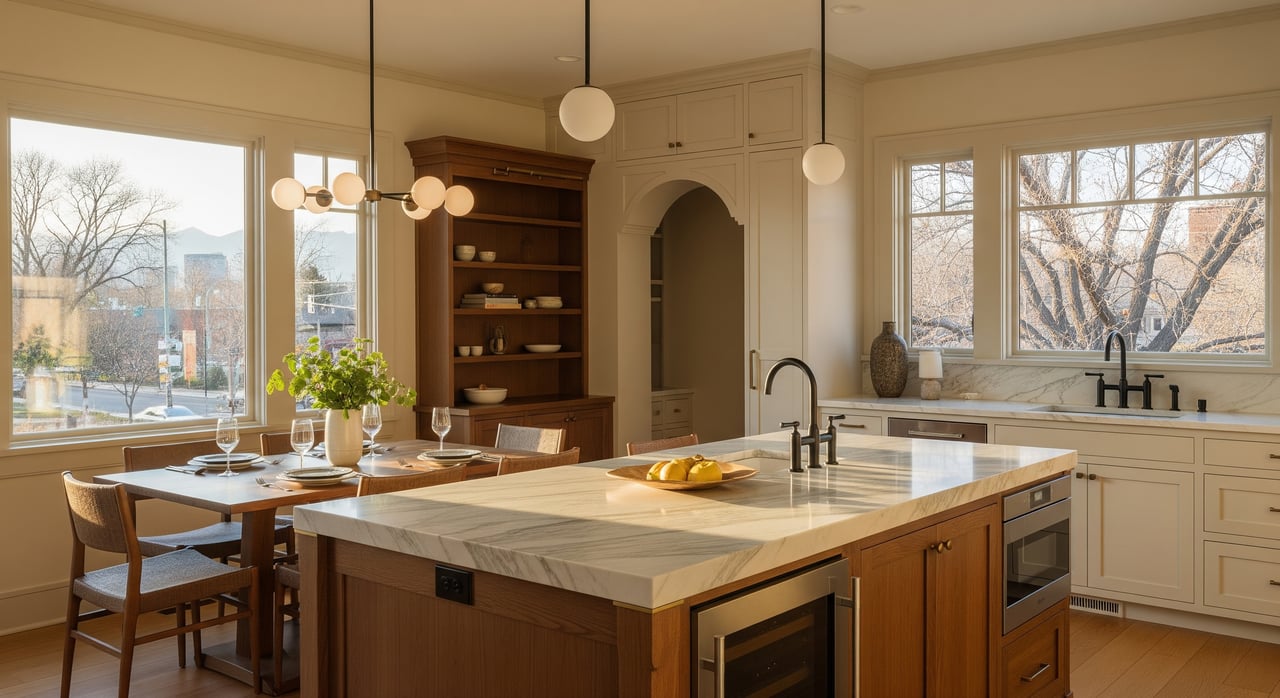
Kitchens: highest impact
Kitchens drive buyer decisions in Bonnie Brae. Even a simple refresh can elevate your listing photos and perceived value.
- Cosmetic refresh: paint cabinets, update hardware, add a timeless backsplash, swap lighting, and refinish or replace counters where needed.
- Midrange remodel: replace cabinet fronts or full boxes, add quartz or other solid-surface counters, choose energy-efficient appliances, and add under-cabinet lighting.
- Full remodel or modest expansion: improve layout, consider a small island if scale allows, and connect the kitchen to outdoor dining.
Keep finishes classic. Shaker or inset cabinetry, simple profiles, and period-appropriate fixtures respect the home’s age. Address electrical, plumbing, and ventilation early so you do not revisit finished work later.
Bathrooms: clean and updated sells
Bathrooms carry strong resale influence. The goal is clean, bright, and functional.
- Refresh: reglaze a tub, replace vanity and fixtures, add tile accents, upgrade lighting, and ensure a working exhaust fan.
- Remodel: add storage, consider a walk-in shower where appropriate, and use durable tile with modern plumbing fixtures.
Choose timeless materials and hardware. Simple, classic tile patterns fit well with Bonnie Brae’s architecture and keep your buyer pool broad.
Systems and energy upgrades: low-glamour, high confidence
Buyers in older homes care about what they cannot see. Replacing or servicing major systems can ease inspection hurdles and boost confidence.
- HVAC and water heater: consider efficient systems, including heat pump options where feasible.
- Electrical and plumbing: update panels, replace aging piping where needed, and bring work to current code.
- Insulation and air sealing: add attic insulation and seal leaks for comfort and lower utility costs.
- Windows: restore original windows where possible and add storm windows, or upgrade to efficient replacements that respect the façade.
Colorado, utilities, and federal programs may offer rebates or incentives for efficiency and electrification. These programs change, so verify current options before you start.
Curb appeal and front-yard charm
First impressions matter, especially in a walkable neighborhood.
- Repair or paint façade elements and restore porch flooring and railings.
- Upgrade the front door and lighting, repair walkways, and refresh plantings with native or low-maintenance choices.
- Retain mature street trees when possible, as they help define the area’s character.
Match exterior materials and colors to the home’s period style. Avoid removing brick or original trim if a reversible repair or restoration is possible.
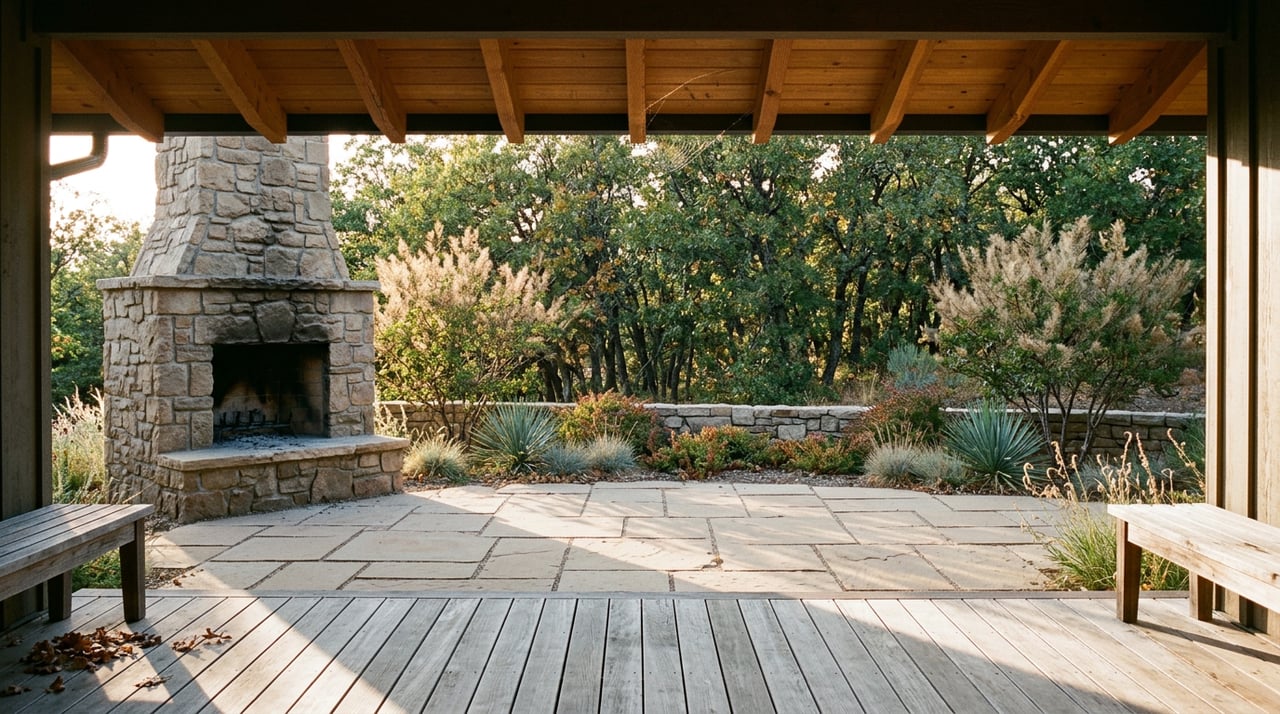
Outdoor living: extend the living room outside
Usable outdoor space is a major bonus in 80209.
- Build or refresh a patio or deck and add simple lighting.
- Create zones for dining, seating, and play.
- Choose drought-tolerant or low-upkeep landscaping to appeal to busy buyers.
Confirm permits for new structures. Well-staged outdoor areas photograph beautifully and help buyers picture life in the home.
Basement and attic conversions: more usable space
When done right, finishing a basement or converting an attic adds flexibility and perceived value.
- Basements: create a family room, guest space, or home office. Add proper egress for any sleeping areas, handle moisture, and follow code.
- Attics: convert only if headroom and structure allow. Work with pros to assess feasibility.
Permit and inspection compliance is essential. Prioritize structural and systems updates before you finish walls and trim.
Parking and storage: practical wins
In central neighborhoods, parking and storage matter.
- Improve garage storage, lighting, and the door if needed.
- Resurface drives and keep off-street parking if available.
- Think carefully before converting a garage to living space; you could shrink your buyer pool if off-street parking is lost.
Paint, flooring, lighting, and trim: fast refreshers
Cosmetic updates are cost-effective and help listings stand out.
- Choose neutral interior paint to brighten rooms and broaden appeal.
- Refinish original hardwoods or install compatible flooring where needed.
- Update lighting with warm, efficient fixtures and repair or replicate simple trim details.
Preserving original wood floors and millwork often earns you extra attention from Bonnie Brae buyers who appreciate character.
Permits, codes, and historic fit
Most structural changes and any electrical, plumbing, or HVAC replacements require permits and inspections through the City and County of Denver. Cosmetic work like interior paint usually does not. Confirm requirements early so timelines and documentation align with your sale.
Some properties may have landmark status, overlays, or easements. If you are altering a façade or planning an addition, check local historic preservation guidance. Keeping exterior work compatible with the home’s style protects curb appeal and buyer confidence.
If you plan to add an ADU or convert attics and basements, verify zoning and building code. Egress, ceiling height, and moisture control are common hurdles in older homes.
Budget, timeline, and ROI basics
Costs vary widely in older properties, and hidden issues can surface. Build a contingency and match finishes to the neighborhood standard.
- Kitchen timeline: cosmetic 2 to 4 weeks; midrange 6 to 12 weeks; full remodel or expansion 3 to 6 months or longer if permits and structure are involved.
- Bathroom timeline: refresh 1 to 3 weeks; full remodel 3 to 8 weeks.
- Systems: HVAC or water heater can be days to 1 to 2 weeks. Insulation and sealing are often quick wins.
- Basement finishing: 6 to 12 weeks or more depending on egress, foundation, and systems.
- Exterior and landscaping: a few days to several weeks. Avoid large last-minute plantings that might struggle before closing.
Kitchens and baths typically carry strong buyer appeal when done to neighborhood scale. Systems and efficiency upgrades reduce objections in inspection. Be cautious about over-customizing beyond local comps, and favor timeless choices over trends.
Smart sequencing before you list
Order matters. Tight sequencing helps you avoid rework and keeps your listing timeline on track.
- Safety and deferred maintenance: fix roof issues, water intrusion, stairs and railings, and any electrical hazards.
- Systems and structure: update HVAC, plumbing, and electrical; add insulation; frame or correct structural items.
- Kitchen and bath work: coordinate with plumbing and electrical trades while walls are open.
- Interior finishes: paint, flooring, trim, and lighting.
- Exterior and landscaping: complete curb appeal upgrades and schedule photography when everything looks its best.
- Staging and listing: declutter, highlight original features, and showcase outdoor living along with walkable location benefits.
If you plan to sell within 6 to 12 months, focus on repairs, systems, and strategic cosmetic refreshes rather than large additions.
Contractors and pre-listing checks
Choose licensed contractors with experience in older Denver homes. Ask for references, detailed scopes, timelines, payment schedules, and contingency plans for surprises like outdated wiring or lead paint in pre-1978 homes.
Consider a pre-listing inspection to surface issues that could derail negotiations. Keep receipts and permits for recent work. Disclose known conditions per Colorado requirements.
A quick homeowner checklist:
- Verify permits and zoning with the City of Denver.
- Check for historic status, overlays, or easements before exterior changes.
- Get multiple bids and confirm insurance and references.
- Set a 10 to 20 percent contingency for older-home surprises.
- Schedule interior finishes after systems work to avoid redoing completed areas.
- Choose neutral, classic finishes and right-size your scope to 80209 comps.
Ready to sell in Bonnie Brae?
If you focus on kitchens, baths, systems, and curb appeal while honoring your home’s character, you will attract more buyers and stronger offers. A clear plan, thoughtful sequencing, and neighborhood-scale finishes are your roadmap to a smooth sale.
If you want local guidance on which projects to do now and which to skip, reach out to the team at Moxie Property Group. We help you plan smart updates, time your listing, and present your home with the premium marketing it deserves.
FAQs
Which Bonnie Brae renovations deliver the best ROI before selling?
- Kitchens and bathrooms usually drive the most buyer appeal, followed by systems and energy upgrades that reduce inspection concerns, then curb appeal and outdoor living.
How much should I invest in updates for a Bonnie Brae sale?
- Match the scale and finishes to neighborhood standards, avoid luxury-overbuilds on modest blocks, and prioritize repairs, systems, and high-impact cosmetic work.
What permits are required in Denver for home renovations?
- Structural changes and most electrical, plumbing, HVAC, and exterior work require permits and inspections; confirm requirements with Denver Development Services early.
Are energy rebates or tax credits available for efficiency upgrades in 80209?
- Programs change, but utility, state, and federal incentives may apply to items like heat pumps, weatherization, and appliances; verify current options before you start.
What is a realistic timeline to get my Bonnie Brae home market-ready?
- Plan several weeks to a few months depending on scope: handle repairs and systems first, then kitchens/baths, finish with paint, floors, curb appeal, and staging.