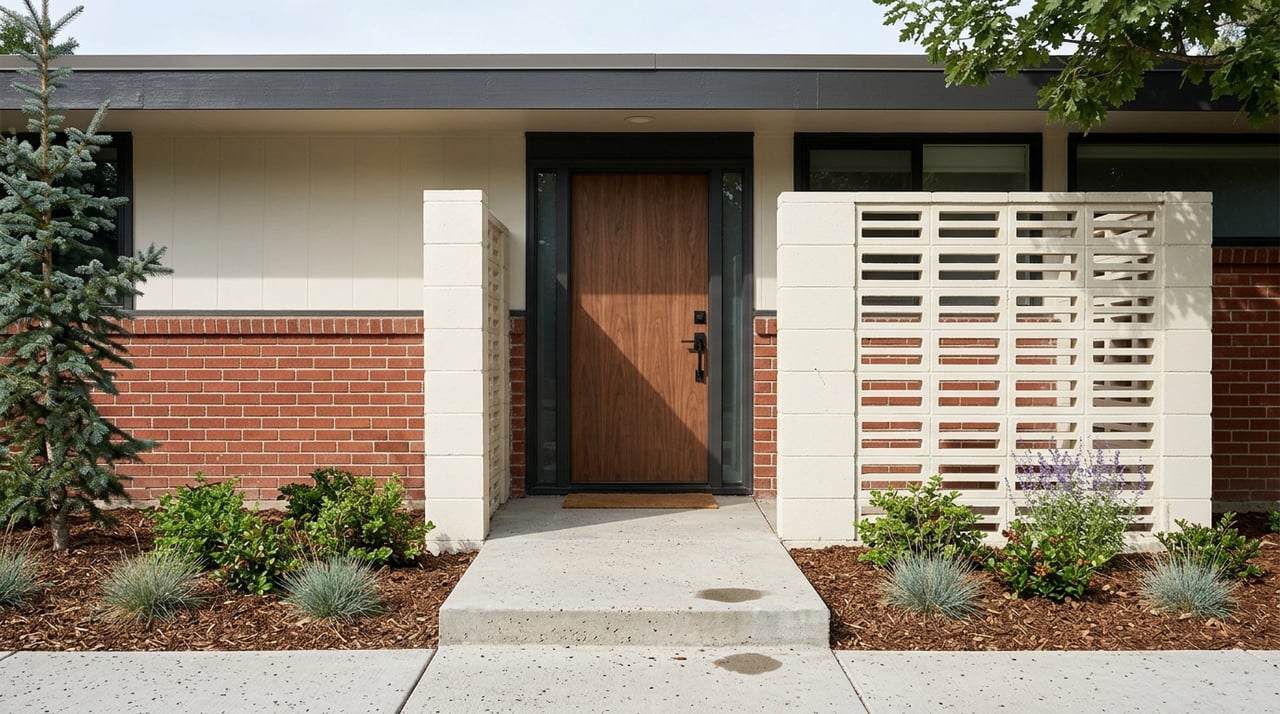
Wondering how to price a mid-century home in Bonnie Brae without leaving money on the table or scaring off today’s buyers? You are not alone. In a neighborhood as distinctive as Bonnie Brae, pricing is rarely about plugging square footage into a formula. It is about understanding how condition, lot, design, and local competition come together in today’s market. If you are thinking about selling in 80209, this guide will help you see what buyers are really comparing and how to price with confidence. Let’s dive in.
Why Bonnie Brae pricing is unique
Bonnie Brae is not a one-style neighborhood, and that matters when you price a home. The area was planned in the 1920s with curved streets and a village-like layout around Bonnie Brae Park, and it was largely built out by 1956. That means your home may sit among early custom properties, post-war ranches, newer replacement homes, and remodeled classics.
For sellers, this creates both opportunity and complexity. Buyers are not looking at Bonnie Brae through one narrow architectural lens. Instead, they tend to respond to how well a home’s design, updates, and condition fit together.
Mid-century homes are part of a mixed landscape
The neighborhood association describes Bonnie Brae as an eclectic mix of Tudor, Spanish, Bauhaus, Postmodern, and International design. It also notes that the one-story ranch brick homes north of Bonnie Brae Boulevard represent the neighborhood’s last original mid-century and post-war ranch style.
That variety means a mid-century home can stand out in a good way, especially when the architecture feels intentional and the property has been well cared for. At the same time, homes with obvious deferred maintenance or awkward past changes may not compete at the same level as more polished nearby options.
What today’s 80209 buyers are seeing
Pricing in Bonnie Brae does not happen in a vacuum. Buyers shopping here are usually comparing your home with other listings across 80209 and, in some cases, with nearby luxury areas.
Realtor.com shows 189 homes for sale in 80209, with a median listing price of $1,125,000, a median of $523 per square foot, median days on market of 34, and a 97% sale-to-list ratio. The ZIP is still classified as a seller’s market, but homes sold for 2.51% below asking on average in March 2026. That is a strong reminder that even in a premium area, pricing discipline matters.
Nearby luxury competition affects Bonnie Brae
Buyers often widen their search when they move into higher price points. In 80209, Washington Park shows a median listing price of $2,022,500 and $571 per square foot, making it an important comparison for higher-end Bonnie Brae listings.
Cherry Creek is another key benchmark. In April 2026, realtor.com showed Cherry Creek with a median listing price of $1,557,500 and 42 median days on market. Cherry Creek North was much higher at a $3.15 million median listing price, which matters if a Bonnie Brae home has been renovated into a more luxury-oriented tier.
Higher prices bring more selective buyers
DMAR’s March 2026 market report adds helpful context. Detached homes priced from $1 million to $1,499,999 had 2.56 months of inventory, while detached homes above $2 million had 5.64 months of inventory. DMAR also reported that $1 million-plus homes averaged 62 days in the MLS year to date.
In plain terms, the market still supports strong pricing, but buyers become more selective as price and finish expectations rise. If your home is aiming for the upper end, it needs the condition, presentation, and pricing strategy to support that number.
What drives value in a Bonnie Brae mid-century home
A mid-century home in Bonnie Brae is not priced on age alone. Buyers and appraisers both look at the full picture, including the home itself, the site, and the current market around it.
Fannie Mae’s appraisal guidance says value is shaped by the home’s condition and characteristics along with external factors like location and market trends. Core factors include size, design, overall condition, landscaping, extra features, recent comparable sales, and market trends.
Condition matters more than cosmetic style
If you take one thing from this article, let it be this: condition usually carries more pricing power than cosmetic taste alone. A buyer may love original mid-century charm, but they still want confidence in the home’s upkeep.
In Bonnie Brae, a home with older finishes can still hold value if it is structurally sound, functional, and clearly maintained. On the other hand, deferred maintenance often creates a bigger pricing gap than sellers expect, especially when buyers are comparing the property to renovated competitors.
Original character can be an asset
In an eclectic neighborhood, preserved design can help your home stand out. Buyers are often responding less to whether a home is trendy and more to whether it feels cohesive.
That is especially true for mid-century ranches and custom homes. If the original architecture is intact and the updates feel thoughtful, the home may attract buyers who value authenticity and design consistency.
Lot and site influence value too
In Bonnie Brae, the lot is part of the story. Fannie Mae’s appraiser update treats site influence as a value-relevant category, including site size, access, utilities, features, and overall site characteristics.
Because Bonnie Brae does not follow a standard grid, some lots feel more private, more usable, or simply more appealing than others. When pricing your home, it helps to look beyond interior square footage and consider orientation, outdoor usability, and how the home sits on the parcel.
How to think about your true competition
One of the biggest pricing mistakes sellers make is comparing their home to the best properties in the area without adjusting for condition, site, or finish level. In Bonnie Brae, your real competition depends on what your home offers today, not what it could become after a future renovation.
A fully updated home may compete with polished listings in Washington Park or Cherry Creek. A home with dated systems, partial updates, or less cohesive design is more likely to be grouped with renovation-ready or as-is inventory.
Price for current condition, not future potential
This is where strategy matters. Buyers generally pay for what is already done, not for the work they imagine doing later.
The safest pricing approach is to benchmark against recent nearby sales that are similar in condition, scale, and site quality. From there, you can adjust for what is actually on the lot today, including original character, meaningful updates, and any visible drawbacks.
Should you sell as-is or update first?
Not every Bonnie Brae home needs a remodel before it hits the market. In many cases, the better move is to focus on the upgrades that improve buyer confidence and help the home show well.
NAR’s 2025 Remodeling Impact Report found that 46% of buyers are less willing to compromise on condition. The same report says real estate professionals most often recommend painting the entire home, painting one room, and new roofing before listing.
When selling as-is makes sense
Selling as-is can work when the home is structurally sound, functionally livable, and priced clearly for its current finish level. This path may also make sense if your property already has a strong lot, appealing original character, or enough upside that a buyer would prefer to personalize it themselves.
The key is honesty in pricing. If the home needs work, the list price should reflect that from day one.
When a light refresh is worth it
For many Bonnie Brae sellers, a light refresh offers the best return in effort and impact. Paint, lighting, flooring improvements, landscaping, and selective kitchen or bath touch-ups can help a home compete more effectively with better-presented listings.
This matters because presentation influences both days on market and negotiation leverage. In a ZIP where homes are still selling close to list, looking move-in ready can help protect your pricing position.
When selective renovation may help
A larger renovation is usually most useful when it solves a specific issue that is holding the home back. That could mean addressing an obvious functional deficiency, condition problem, or issue that may affect financing or appraisal.
In other words, renovate to fix a real market problem, not just to create a prettier listing. Bigger projects only make sense when they materially improve the home’s competitive position and likely sale outcome.
A smart pricing mindset for 2026
The current Denver market gives Bonnie Brae sellers reason to be optimistic, but not casual. Inventory is higher than it has been in more than a decade, according to DMAR, and buyers at premium price points are paying close attention to value.
That means the best pricing strategy is usually not aggressive for the sake of ambition. It is accurate, well-supported, and tied to the home’s actual condition, location, and competition.
Focus on the home’s story
In a neighborhood like Bonnie Brae, the market often rewards coherence. A home that feels intentionally maintained and clearly positioned can perform better than one with mixed signals, even if both have similar square footage.
As you prepare to sell, think about the story your home tells. Is it a preserved mid-century with strong original charm? A refreshed ranch with easy livability? A luxury-level renovation competing with top-tier central Denver inventory? The right price should match that story.
If you want help evaluating where your Bonnie Brae home fits in today’s market, Moxie Property Group can help you weigh condition, competition, presentation, and pricing strategy with a local, data-driven approach.
FAQs
How should you price a mid-century home in Bonnie Brae?
- Start with recent comparable sales that match your home’s current condition, scale, and lot quality, then adjust for original character, updates, and any deferred maintenance.
What features add value to a Bonnie Brae mid-century home?
- Buyers and appraisers often focus on condition, design coherence, lot and site quality, landscaping, extra features, and how the home compares with current market alternatives.
Should you renovate a Bonnie Brae home before selling?
- Usually, only if the work solves a clear problem affecting value, buyer appeal, or financing. Many sellers get better results from a light refresh and realistic pricing.
How does Bonnie Brae compare with Washington Park and Cherry Creek?
- Bonnie Brae sellers often compete within 80209 first, but highly updated homes may also compete with listings in Washington Park or Cherry Creek as buyers expand their search.
Is 80209 still a strong market for sellers?
- Yes, 80209 is still considered a seller’s market, but buyers remain price-sensitive, and homes have been selling below asking on average, so accurate pricing still matters.