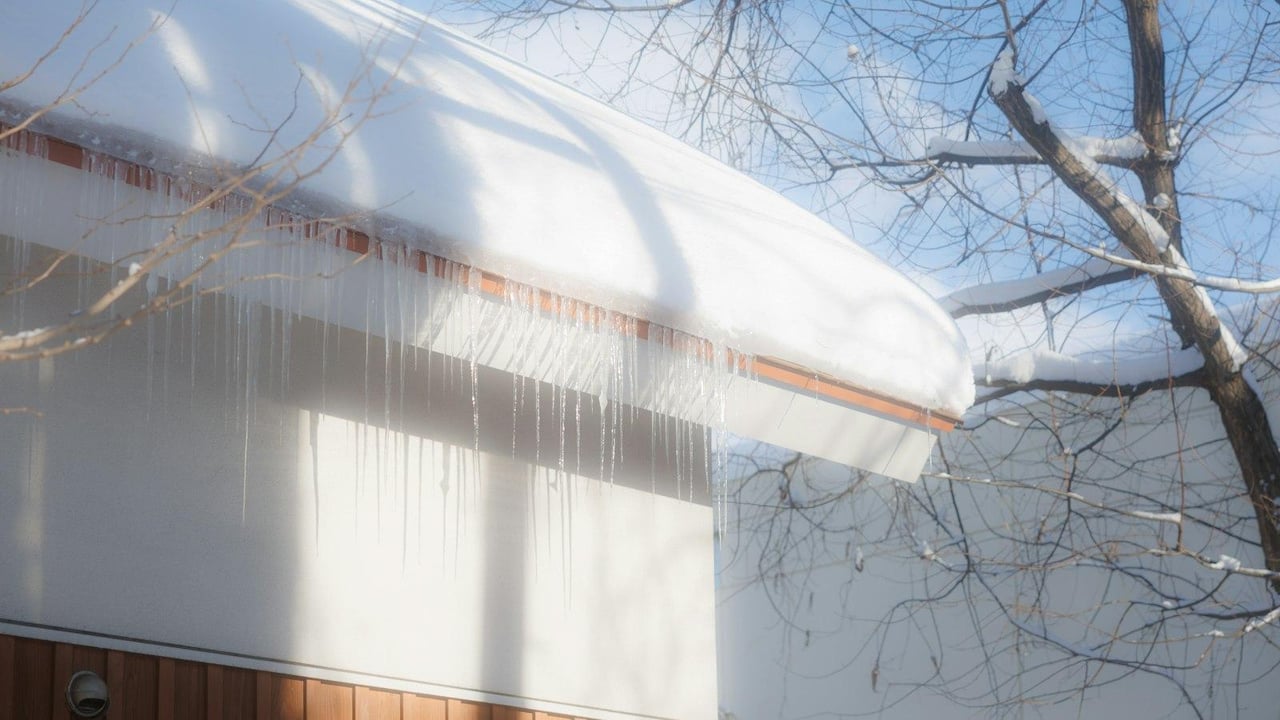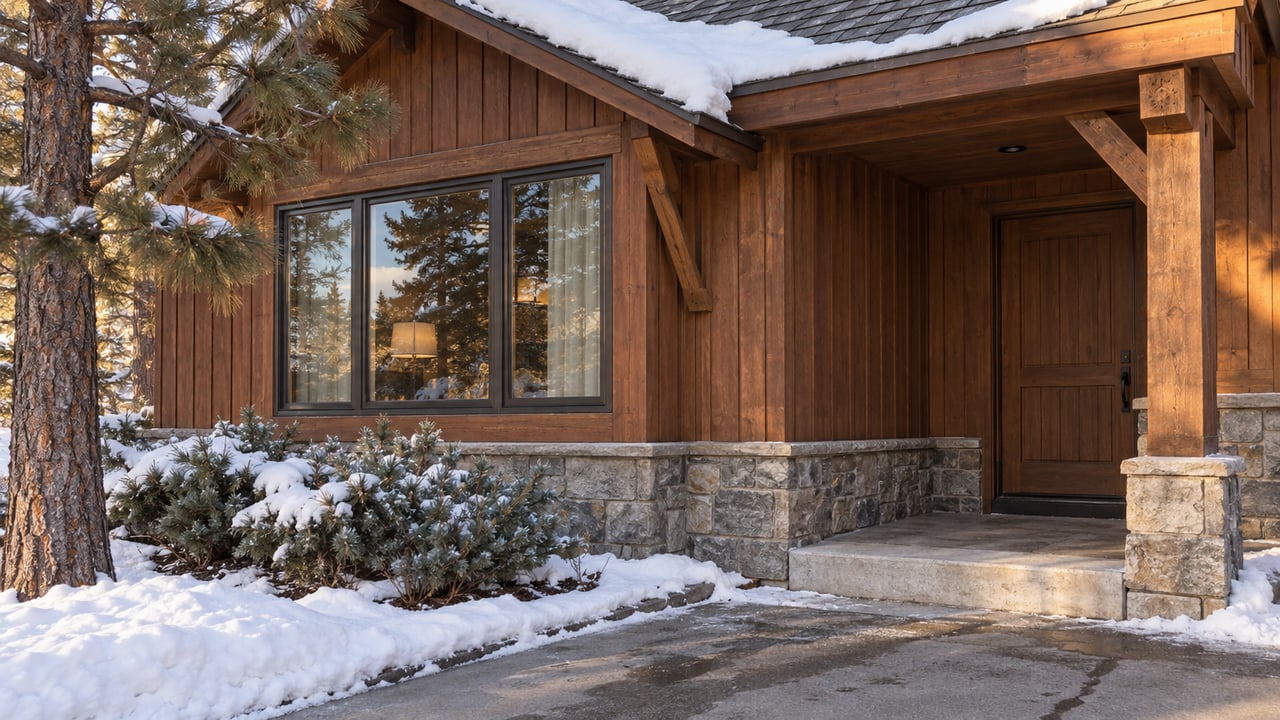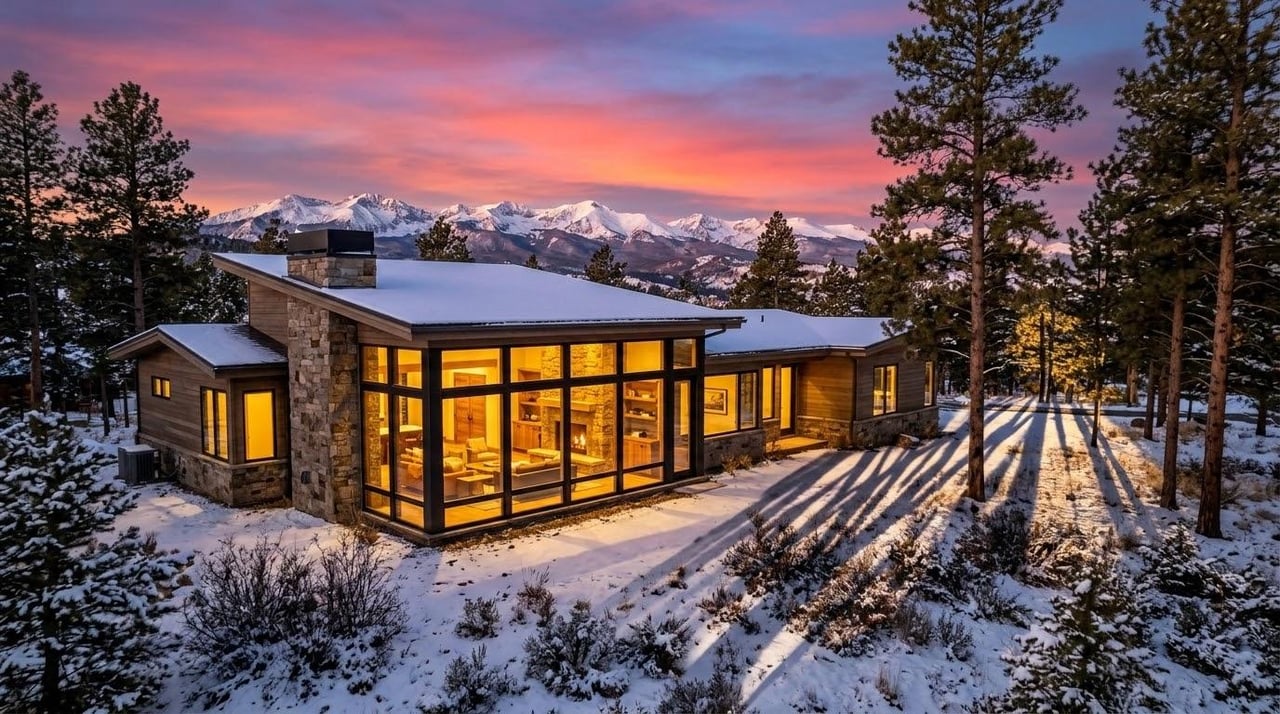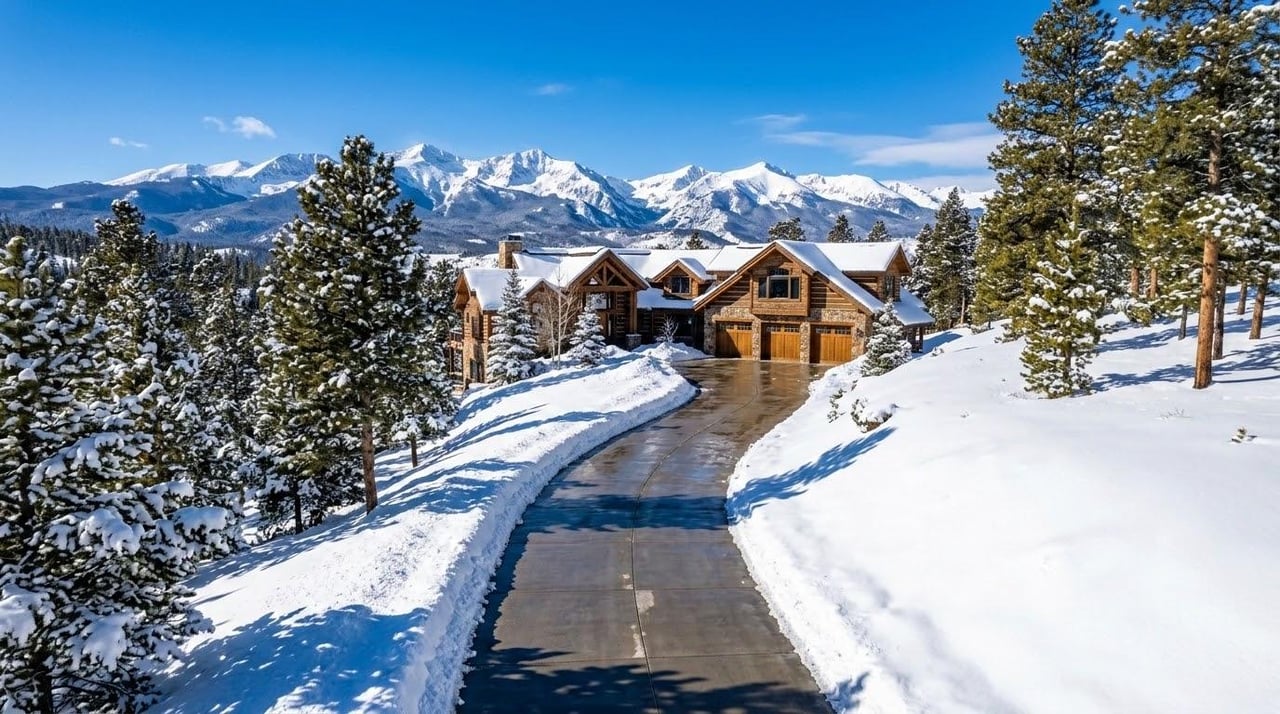
In the Colorado foothills, the driveway is often the most underrated feature of a mountain home until the first big snowstorm arrives. A steep, shaded, north-facing driveway can turn a beautiful property into a daily winter challenge, while a well-designed, sun-facing approach can make snow season far easier to manage.
For buyers and homeowners in Evergreen, Conifer, Bailey, Genesee, Morrison, and Golden, understanding driveway orientation, grade, and snow management systems is essential. Here is how solar exposure and heated driveway technology shape winter living and long-term property value in the foothills.
1. Why Solar Exposure Matters So Much in the Mountains
Colorado's strong high-altitude sunshine is a natural snow-melting tool, but only when a driveway is positioned to take advantage of it.
- South-Facing Advantage: South- and southwest-facing driveways receive the most direct winter sun, often clearing on their own within a day or two after a storm.
- North-Facing and Shaded Drives: Driveways on north-facing slopes or under dense tree cover can hold snow and ice for weeks, requiring more plowing, shoveling, and de-icing.
- Tree Canopy and Terrain: Even a south-facing drive can stay icy if tall pines or nearby ridgelines block the low winter sun.
2. Grade, Length, and Layout
Beyond orientation, the physical design of a driveway plays a major role in how easy a home is to access in winter.
- Driveway Slope: Steeper grades are harder to navigate in snow and ice. Gentle slopes and level landing areas near the garage improve safety and traction.
- Turnarounds and Parking: Space to turn around and park guest vehicles helps avoid backing down an icy drive and gives plows room to work.
- Drainage and Snow Storage: Good drainage prevents refreezing, and designated areas for piling plowed snow keep the driveway usable all season.
3. Heated Driveway Systems: Comfort and Considerations
Heated driveways have become a sought-after luxury feature in Colorado mountain homes, especially for properties with steep or shaded approaches.
- Hydronic vs. Electric Systems: Hydronic systems circulate heated fluid through tubing beneath the surface, while electric systems use embedded heating cables. Each has different installation and operating costs.
- Targeted Heating Zones: Many homeowners heat only the steepest sections, walkways, or tire tracks to balance convenience with energy use.
- Automation and Sensors: Snow and temperature sensors can activate the system automatically, which is especially valuable for second homes.
4. What Buyers Should Evaluate Before Purchasing
Driveway conditions can significantly affect daily life, maintenance costs, and resale appeal, so they deserve careful attention during your home search.
- Visit After a Storm: If possible, view the property a day or two after snowfall to see how quickly the driveway clears.
- Ask About Snow Removal: Find out whether the current owner uses a plow service, HOA snow removal, or private equipment, and what it costs.
- Review Road Access: Confirm whether the access road is county-maintained, HOA-maintained, or private, as this affects plowing priority and responsibility.
Designing for Easier Winters
A thoughtfully oriented driveway with smart snow management can make mountain living safer, simpler, and more enjoyable. For buyers, it is a key factor in choosing the right property. For sellers, a sunny or heated driveway is a feature worth highlighting.
Searching for a Mountain Home That Is Easy to Live With in Winter?
Whether you want a sun-filled property with effortless winter access or need help presenting your home's snow-ready features to buyers, Moxie Property Group offers expert local guidance across Evergreen, Conifer, Genesee, Morrison, Bailey, and Golden.
CONTACT US:
🏡 Moxie Property Group
The Best Luxury and Mountain Real Estate Team in Colorado
📞 (303) 578-1220
💻 [email protected]