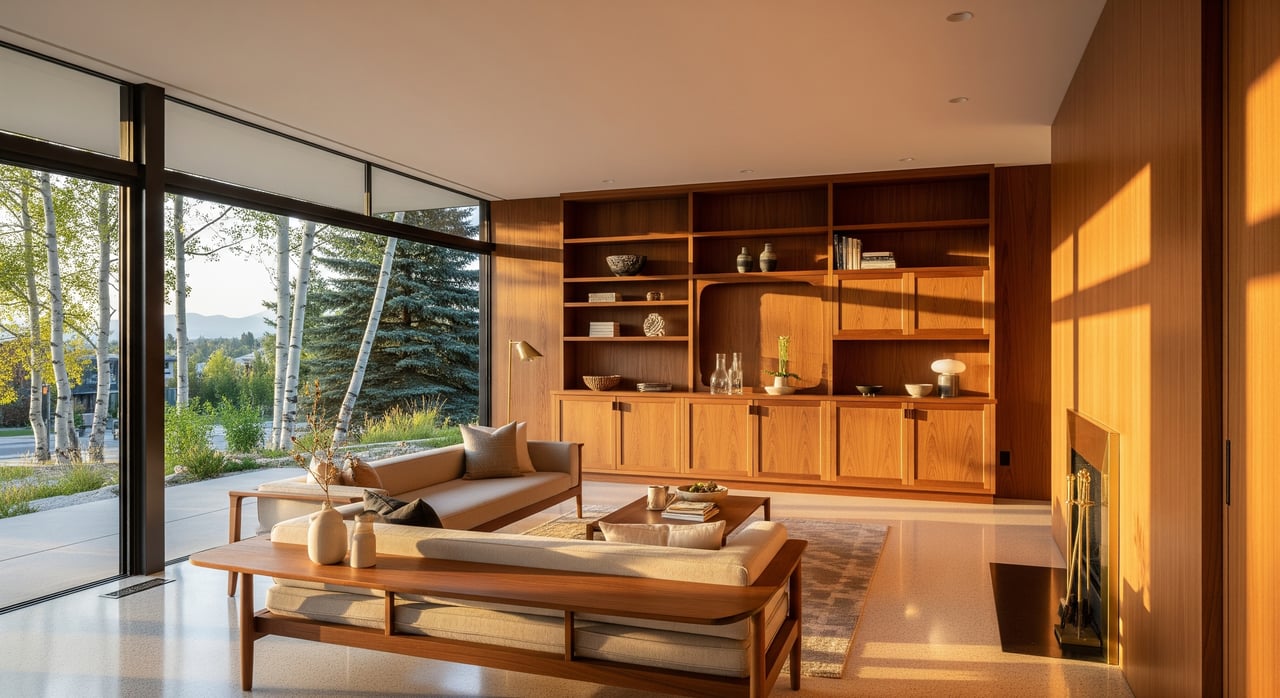
Love the look of a 1950s ranch but wonder what today’s buyers really want in Bonnie Brae? If you’re drawn to warm wood, big windows, and the easy flow of single-level living, you’re not alone. Many 80209 buyers seek authentic mid-century character with smart, comfort-boosting updates. In this guide, you’ll learn which features stand out, which upgrades pay off without erasing history, and how to prep and market your home for maximum interest. Let’s dive in.
What “mid-century” means in 80209
Bonnie Brae blends eras. Some blocks show earlier Tudor or bungalow styles, while nearby streets include ranches, post‑war bungalows, and mid-century modern influences from the 1940s through the 1960s. The best approach is to verify each property’s age and original elements rather than assume based on the street.
How to confirm your home’s era
- Check Denver Assessor records and MLS history for construction year and notes about remodels.
- Use the Denver Public Library’s Western History and Sanborn maps to see development timelines.
- Look for surveys or designations with the Colorado State Historic Preservation Office and the City of Denver Landmark Preservation.
Check rules before you plan
- Confirm if your home is individually landmarked or within a designated historic district, since that can trigger design review.
- Review Denver Community Planning and Development permit needs for windows, electrical or HVAC work, and additions.
- Note any zoning or overlay standards that affect setbacks, ADUs, rooftop changes, or parking.
Mid-century features buyers love
Floor plans with flow
Buyers often favor single-level or split-level layouts with connected living, dining, and kitchen zones. Short hallways and efficient square footage feel practical and livable. Sunken living rooms and a central hearth can add drama without taking space.
Windows and indoor-outdoor connection
Large picture windows and horizontal banks of glass deliver the bright, airy feel buyers want. Clerestory windows and sliding doors that open to patios create a natural connection to the yard. Where present, floor-to-ceiling or ribbon windows are especially prized.
Built-ins with purpose
Original bookshelves, window seats, media nooks, and hall cabinetry are standout features. They add character and storage you cannot easily replicate today. Many buyers want these preserved and refreshed rather than removed.
Materials and finishes with warmth
Exposed beams, natural wood paneling, and brick or stone fireplace surrounds signal authentic mid-century style. Narrow plank hardwoods, terrazzo, and original tile in kitchens and baths often read as special rather than dated when they are in good shape. Simple, modern hardware and period lighting complete the look.
Rooflines and exterior form
Low-pitched roofs, overhanging eaves, and a horizontal emphasis on the facade define the era. Carports or attached garages fit the period and can be an asset when they are tidy and well-maintained.
Why these details resonate
Authenticity and light rank high for Denver buyers. The indoor-outdoor connection, distinctive built-ins, and honest materials deliver both lifestyle and design credibility. When these features are intact, your home tends to feel unique and memorable.
Updates that keep the soul of the house
Start with systems and safety
- Upgrade electrical capacity and replace knob-and-tube if present.
- Modernize HVAC with a high-efficiency furnace, duct sealing, or mini-splits where needed.
- Address plumbing issues proactively. Buyers expect safe, reliable systems, and inspectors will flag them. Tuck new equipment away and keep original registers or use sympathetic replacements.
Boost comfort and efficiency
- Air seal and insulate the attic as a first step.
- Weatherstrip windows and consider interior or exterior storm windows to retain original sash.
- Add targeted wall insulation where feasible. These improvements increase comfort and utility savings without changing the look of the house.
Honor the windows
- Repair original sash, hardware, and glazing whenever possible.
- If replacement is necessary, match proportions and sightlines, prioritizing picture windows and distinctive window banks. Windows are often your most character-defining elements. Preserve them if you can, and choose new units that respect the original design if you cannot.
Kitchens that fit the era
- Keep or replicate flat-front cabinetry with modest hardware.
- Improve circulation and appliance placement for modern function.
- Retain or integrate original built-ins like a buffet or shelving when possible. A well-designed, sympathetic kitchen remodel can be a major selling point. Aim for timeless rather than trend-heavy so the home still reads mid-century at first glance.
Bathrooms with durability
- Update plumbing fixtures and ventilation.
- Preserve original tile if it is intact, or re-tile with period-appropriate colors and patterns.
- Reconfigure only when it will not erase defining scale or proportions. Small, crisp, and functional bathrooms feel true to the era while meeting daily needs.
Exterior and curb appeal
- Repair masonry and stone, and refinish or repair wood siding.
- Restore the original entry and maintain low, horizontal landscaping.
- Keep original doors and hardware when possible; use sympathetic replacements if needed. A thoughtfully simple exterior aligns with mid-century lines and can make your home pop in listing photos.
Built-ins and millwork
- Restore original built-ins and prominent millwork.
- Where something is missing, add new built-ins that complement the home rather than mimic exactly. These touches add practicality and charm that buyers will remember during showings.
Access and conveniences
- Add discreet accessibility upgrades like sturdy handrails or a zero-threshold shower.
- Integrate smart-home controls that do not disrupt historic fabric. These updates broaden appeal while respecting the home’s character.
How to position your listing
- Lead with authenticity. Use phrases like “original built-ins,” “expansive picture windows,” and “authentic mid-century details.”
- Show the light. Feature photos that highlight sightlines from living to patio, morning light in the kitchen, and evening glow around the hearth.
- Be specific about upgrades. Note electrical, HVAC, and insulation improvements, and call out window restoration or storm windows done for energy performance.
- Keep styling simple. Staging that echoes the era with clean lines and warm textures helps buyers see the home’s architecture.
Pre-list checklist for Bonnie Brae sellers
- Address safety and systems first: electrical, HVAC, plumbing.
- Perform attic insulation and air sealing.
- Repair original windows where possible and add storm windows if needed.
- Restore built-ins and key millwork.
- Update kitchen and bath with sympathetic materials and modern conveniences.
- Refresh exterior elements and maintain simple, low-profile landscaping.
- Pull required permits and organize documentation for buyers.
Common inspection watch-outs
- Window condition and any evidence of rot or failed seals.
- Age and capacity of mechanical systems and electrical service.
- Insulation levels and air sealing effectiveness.
- Roof condition and flashing.
- Signs of unpermitted work, especially in additions or reconfigured spaces.
Who is your likely buyer in 80209
Design-minded buyers who value authentic details often target this part of Denver. Single-level living can attract those looking for easy access and efficient layouts. Proximity to parks, transit, and the broader 80209 lifestyle helps your home compete, especially when character is intact and systems are updated.
Your next steps
Start by confirming your home’s age and original features through assessor records, historic maps, and any landmark or survey information. Scope your project list in the right order: safety and systems, then comfort and efficiency, followed by sensitive kitchen and bath updates. Keep windows, built-ins, and the exterior’s low, horizontal look at the center of every decision.
If you want a clear plan for upgrades, staging, and pricing that celebrates your home’s mid-century character, connect with the local team that markets these details the right way. Reach out to Moxie Property Group for a tailored strategy and premium marketing that makes your 80209 home stand out.
FAQs
What defines a mid-century home in Bonnie Brae?
- In 80209, you’ll find ranches, post‑war bungalows, and modern-influenced homes from the 1940s–1960s, often with low-pitched roofs, large windows, and integrated indoor-outdoor living.
Should I replace original windows for energy efficiency in 80209?
- Start with repair and weatherization, then consider interior or exterior storm windows; replace only when repair is not feasible and match original proportions and sightlines.
Will a new kitchen hurt value in a mid-century Denver home?
- A well-planned remodel that respects mid-century scale, cabinetry style, and sightlines usually enhances both livability and market appeal without erasing character.
Are there special permits or historic rules in Bonnie Brae?
- Potentially; check Denver Landmark Preservation for status and review, and confirm permit needs with Denver Community Planning and Development before starting work.
Which upgrades bring the best ROI for 80209 sellers of mid-century homes?
- Safety and systems upgrades are high priority for buyers and inspectors, followed by kitchens and baths designed with sympathetic materials that keep defining features intact.