Dreaming about a mountain home in Evergreen but unsure how wells, septic systems, and wildfire risk affect your purchase? You are not alone. These systems are common in the foothills, and understanding them early can protect your budget and your peace of mind. In this guide, you will learn what to check, what it might cost, and how to plan your inspections so you can move forward with confidence. Let’s dive in.
Private wells in Evergreen
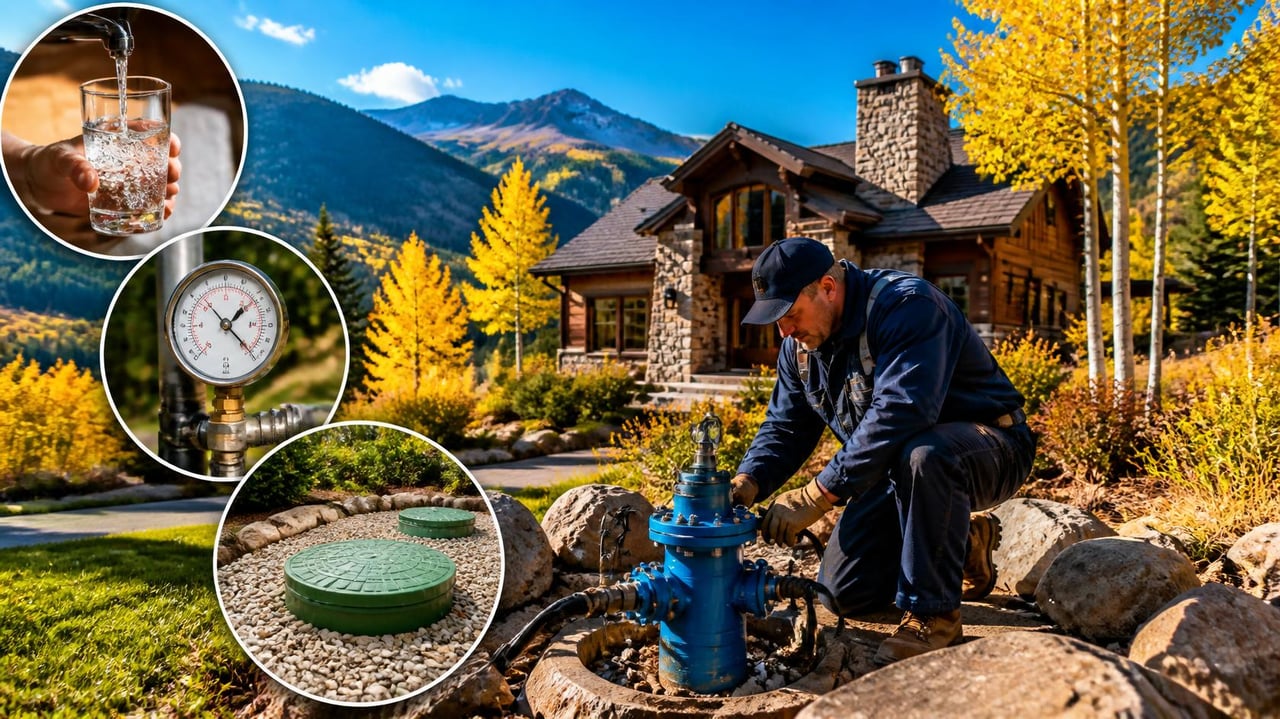
Many Evergreen properties rely on private wells for water. That is normal in the foothills, but it does mean extra due diligence for permits, water quality, and pump performance.
Where records live and what to check
In Colorado, well permits and completion records are issued and stored with the Colorado Division of Water Resources (DWR), not the county. Start by confirming the permit number, permit type, and allowed uses through the DWR well‑permit search. Review the well completion report for recorded pump yield, static water level, and construction notes. You can request these records and learn how permits work through the DWR’s guidance on well permitting.
Some foothills wells operate under the state’s exempt or domestic framework. Others may have special conditions, especially shared wells or wells near stream systems. Ask the seller for the permit number and completion report so you or your consultant can verify limits and any special requirements in the DWR file.
Testing water and verifying flow
Treat water quality and flow as primary inspections. A well professional can conduct a pump or flow test with drawdown and recovery to document sustained gallons per minute and pressure. Lenders may require minimum continuous flow or specific test conditions, so align your scope with your loan program. FHA examples are outlined in HUD guidance accessible here: FHA water and well testing basics.
For water chemistry, test at minimum for total coliform and E. coli plus nitrate, and consider arsenic or PFAS based on local conditions. Use a certified lab and keep chain‑of‑custody for escrow. The Colorado Department of Public Health and Environment offers homeowner guidance and a PFAS testing assistance program on its private well resources page.
Costs and timing to expect
- Water testing: simple bacterial tests often cost in the low tens to low hundreds of dollars. More complete panels that add nitrate, metals, or organics often run $150 to $550 or more depending on analytes.
- Pump and flow tests: a professional test commonly runs several hundred dollars to the low‑thousand range depending on scope and access.
- New well drilling: foothills geology drives price. Many projects land in the low to mid five‑figure range, with simpler cases near $10,000 and deeper or more complex drilling significantly higher. Always get local bids.
Common well red flags
- No recorded permit or the seller cannot provide a permit number.
- Marginal sustained gallons per minute for your intended household use.
- Water results showing coliform, nitrate above advisory values, or metals like arsenic without a treatment plan.
- Shared wells without a clear, recorded agreement.
Septic systems in Jefferson County
Evergreen’s onsite wastewater systems are permitted and regulated by Jefferson County Public Health. At resale, the county’s program and records help you confirm the system’s status and condition.
Use Permits and point‑of‑sale rules
Many Jefferson County systems need an inspection and a county Use Permit when the property sells, especially if the system is more than five years old. Request records early and confirm what is required for your closing. Start with the county’s Onsite Wastewater Treatment Systems page for program rules and records lookup: Jefferson County OWTS.
Higher‑Level Treatment (HLT) systems
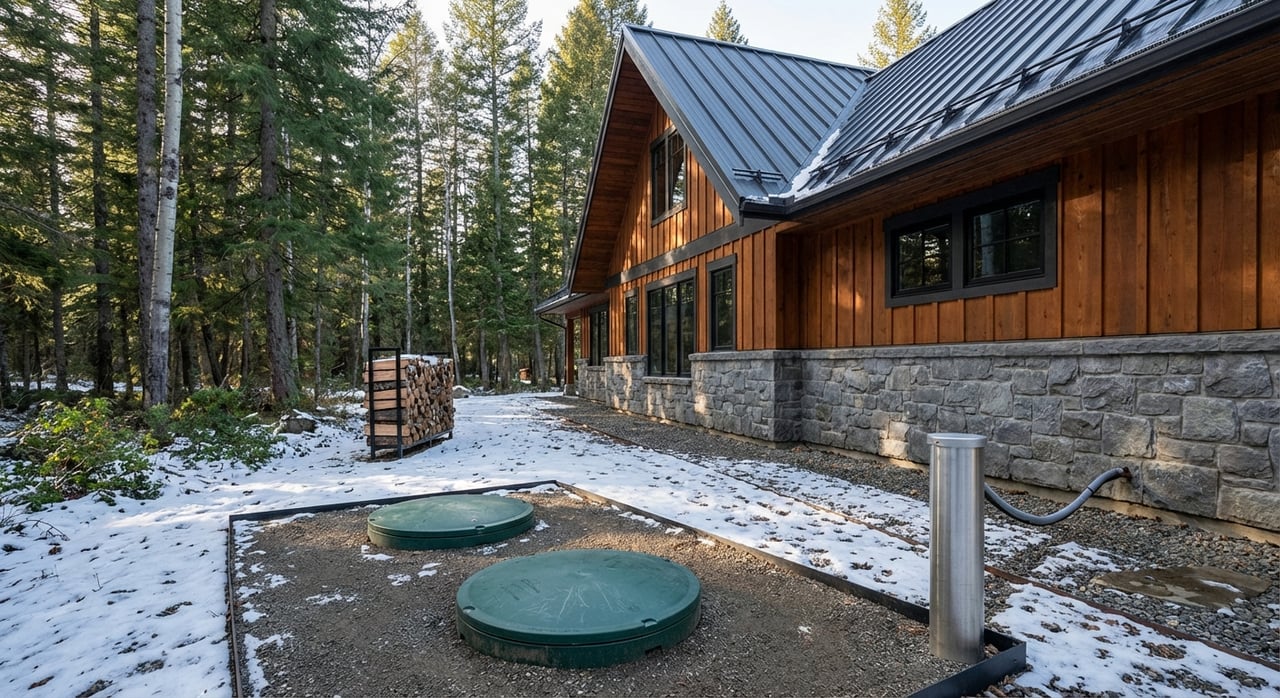
In some Evergreen locations, the county requires higher‑level treatment systems due to lot size, proximity to wells, or groundwater nitrogen concerns. HLT systems need ongoing operation and maintenance contracts and more frequent service and reporting. If you see equipment beyond a standard tank and field, ask for the operating permit, O&M contract, service logs, and recent inspection reports. Learn more on the county’s page for Higher‑Level Treatment systems.
What to request and what to inspect
Ask the seller for:
- The OWTS Use Permit and the as‑built map showing tank and field locations.
- Recent pumping receipts and repair history.
- The current O&M contract and service logs if it is an HLT system.
Build a contract contingency for an independent inspection by a licensed septic contractor. A proper inspection includes opening accessible lids, checking baffles and filters, and assessing the drain field for ponding or odors. If it is an HLT system, confirm the inspector is qualified to evaluate that unit type and its service records. County resources for these steps are on the Jefferson County OWTS page.
Costs and life‑cycle planning
- Pumping and routine service often costs a few hundred dollars per visit, commonly in the $300 to $600 range depending on access and tank size.
- Repairs or full replacements vary widely by site conditions and system type. National cost aggregators show many installations running from the low thousands to the mid five figures, with engineered or alternative systems frequently in the $8,000 to $20,000+ range. Confirm with site‑specific bids. See ranges summarized here: Septic system cost guide.
Common septic red flags
- No Use Permit on file or missing as‑built map and pumping records.
- Signs of drain‑field failure such as soggy spots, odors, or backups.
- An HLT system without a current O&M contract or missing service reports.
Wildfire and fire safety in Evergreen
Evergreen sits in high wildfire‑exposure portions of Jefferson County. Local plans, building codes, and fire‑district programs influence both your risk and your budget for mitigation.
Local plans and code changes
Evergreen is covered by a Community Wildfire Protection Plan, and Jefferson County is updating a Wildfire Resiliency Code to align with the state’s new standards. Draft updates and community meetings are underway, and new requirements are anticipated to take effect by mid‑2026. Before you plan a remodel or exterior upgrade, verify whether your address falls within the mapped Wildland Urban Interface and whether work like re‑roofing or deck replacements could trigger new standards. For background, see the CSFS CWPP repository and county news on the Wildfire Resiliency Code.
Defensible space and home hardening
Defensible space follows three zones that reduce ember ignition and flame contact:
- 0–5 feet: create an ember‑resistant zone. Keep this area noncombustible with mineral mulch, metal mesh on vents, and careful storage.
- 5–30 feet: keep it lean, clean, and green. Thin plants, remove ladder fuels, and maintain space between crowns.
- 30–100 feet: reduce fuel continuity and remove dead material.
Home hardening steps like Class A roofing, ember‑resistant vents, and noncombustible materials near the structure are highly effective. A practical overview is available in this defensible space and home ignition zone guide.
Local programs and grants
Evergreen Fire Rescue and community partners often support mitigation with assessments and cost‑share opportunities. Programs vary year to year, and some require approved contractors. Ask the local fire district about free assessments and whether your property or HOA area is eligible for grants. A current example is the Evergreen defensible space grant program.
Typical mitigation costs
Costs vary by lot size, slope, and tree density. Homeowner‑led thinning and debris removal may be low or no cost beyond labor. Professional thinning, chipping, and haul‑off on forested, sloped lots can run to several thousand dollars. Roof and vent upgrades follow your roofing cycle and should be prioritized during re‑roof planning.
Insurance and lending impacts
Insurance and lender requirements can affect your timeline, your inspection scope, and sometimes your closing conditions.
Get insurance quotes early
Colorado’s HB 1182 requires insurers that use wildfire risk models to account for property‑level and community mitigation or provide verified discounts, and to increase transparency in risk scoring. Implementation will roll out through 2026 as carriers update filings. The takeaway: get quotes early in your search and ask how completed mitigation will be credited. A concise overview is here: HB 1182 and insurer modeling.
Lender basics for wells and septic
Most lenders require potable water and acceptable sewage disposal. FHA provides examples that include minimum continuous flow for wells and water‑quality testing when local standards or risks indicate. Confirm your lender’s exact requirements and timelines early in escrow. For reference, see FHA’s well and water testing guidance.
Evergreen buyer checklist
Use this list to shape your offer terms and inspection deadlines.
- Confirm water source. If private, request the DWR permit number and well completion report, then verify details through the DWR well permitting portal.
- Order a professional pump/flow test. Add a certified‑lab water panel: total coliform/E. coli and nitrate at minimum, with arsenic or PFAS as indicated. CDPHE outlines homeowner steps on its private well page.
- Collect septic records. Ask for the county OWTS Use Permit, the as‑built map, pumping receipts, and the O&M contract if it is an HLT. Schedule a licensed inspection. Start with Jefferson County OWTS and, if needed, review HLT requirements.
- Book a wildfire assessment. Ask the local fire district about documentation you can share with insurers and whether grants are available. A current local example is the Evergreen defensible space grant program.
- Check planned projects against code. If you expect to re‑roof or replace decks or siding, review Jefferson County’s Wildfire Resiliency Code updates and WUI mapping so you can budget correctly.
- Get an insurance quote for the specific address. Ask about how mitigation will be credited and whether HB 1182‑related discounts are available or planned. See the policy context here: HB 1182 overview.
- Budget contingencies. Allow for septic repair or replacement that can run $8,000 to $20,000+ for engineered systems in some cases, and set aside funds for well rehabilitation or new drilling if results suggest it. Septic ranges are summarized in this national cost guide.
Budgeting and planning tips
- Sequence your inspections. Order well and septic inspections early so you have time for follow‑up tests or contractor bids within your objection deadline.
- Keep reports in escrow. Maintain chain‑of‑custody for lab samples and obtain written reports from inspectors so lenders and insurers can review them.
- Prioritize fire‑hardening during routine upgrades. If a re‑roof is coming soon, plan for Class A materials and ember‑resistant vents at the same time.
- Document mitigation. Ask your fire district for a written assessment and keep before‑and‑after photos. This documentation can help with insurance pricing and future resale.
Buying in Evergreen comes with a few more boxes to check, but those steps help you protect health, safety, and long‑term value. If you want a clear plan for wells, septic systems, and wildfire mitigation tailored to a specific address, we are here to help. Connect with the team at Moxie Property Group to align your search, inspections, and budget so you can buy with confidence.
FAQs
What does a Colorado well permit show for Evergreen homes?
- The DWR record lists permit type, allowed uses, completion details, and recorded pump yield; verify through the state’s well permitting portal.
How do Jefferson County septic Use Permits work at resale?
- Many systems need a county inspection and a Use Permit at point of sale; request records early and confirm requirements via Jefferson County OWTS.
What water tests are recommended for private wells in Colorado?
- At minimum test total coliform/E. coli and nitrate; consider arsenic or PFAS as indicated. CDPHE outlines steps on its private well page.
What is defensible space for Evergreen mountain properties?
- Create a 0–5 ft ember‑resistant zone, a 5–30 ft lean‑clean‑green zone, and a 30–100 ft reduced‑fuel zone, plus harden the home; see this defensible space guide.
How will Colorado’s HB 1182 change homeowners insurance?
- Insurers that model wildfire risk must account for verified mitigation or provide discounts, with transparency increasing through 2026; see the HB 1182 overview.
What do septic and well repairs typically cost in the foothills?
- Septic repairs or replacements vary widely, with engineered systems often $8,000 to $20,000+; well drilling can reach the low to mid five figures depending on depth and geology.