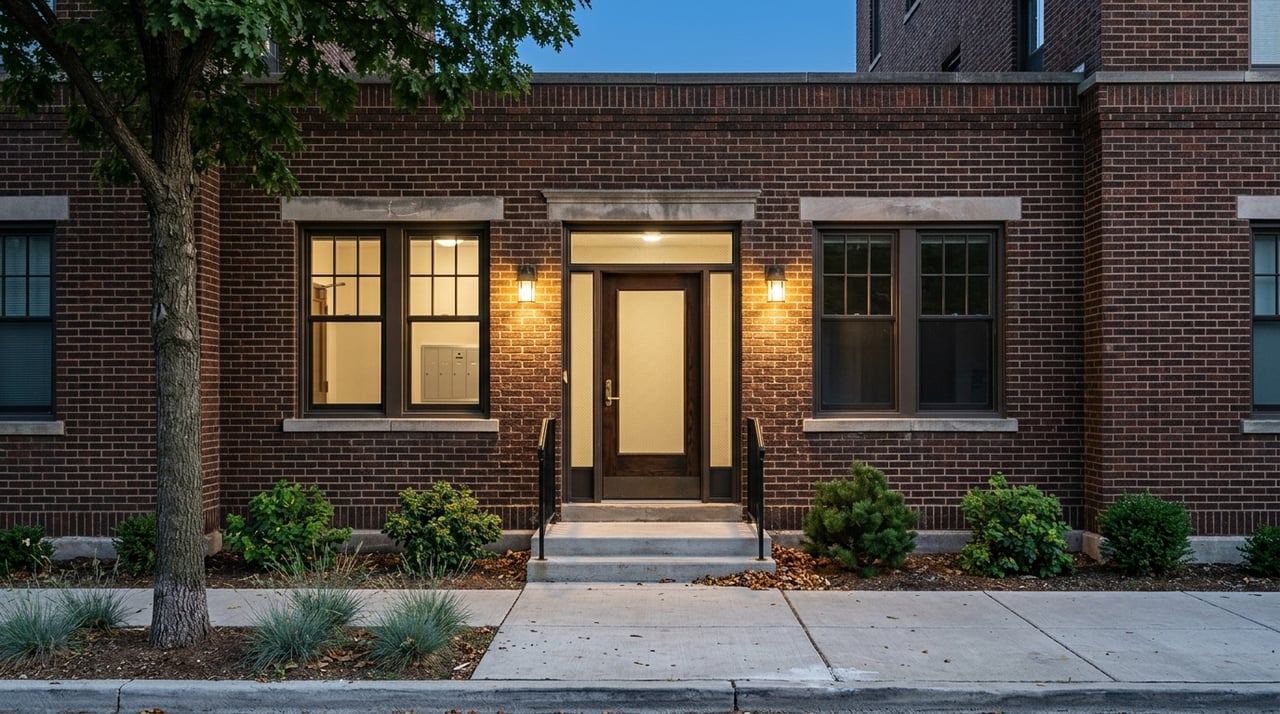
Buying your first condo in Capitol Hill can feel simple until you realize how different one building can be from the next. A one-bedroom in a historic walk-up may live very differently than a one-bedroom in a newer infill building, even if the price point looks similar at first glance. If you want to buy with confidence, you need more than a listing alert and a quick tour. You need to know what really drives value, monthly cost, and day-to-day livability in this part of Denver. Let’s dive in.
Why Capitol Hill Feels So Different
Capitol Hill is one of Denver’s densest residential neighborhoods, and the housing mix helps explain why condo shopping here can feel less predictable than in newer, more uniform areas. Denver planning materials describe a neighborhood with historic mansions, apartments, and newer high-rise condo buildings.
The city’s East Central Area Plan also notes that Capitol Hill is predominantly multi-unit housing built between 1873 and 1925, with an average of 23 dwellings per building. In practical terms, that means you are often comparing older walk-ups, legacy apartment-style buildings, and newer condo options instead of choosing from one standard product type.
For you as a first-time buyer, that variety is both the appeal and the challenge. Two condos with the same bedroom count may differ a lot in layout, storage, parking, building systems, and monthly fees.
What the Building Type Can Mean
Older Capitol Hill buildings often come with character, brick facades, shared entries, and the kind of location that makes city living feel easy. They may also come with tradeoffs like less on-site parking, fewer amenities, or more building-specific rules and maintenance questions.
Newer buildings may offer more modern finishes or a different amenity package, but they are not automatically the better financial fit. The right choice depends on how the HOA is run, what the dues cover, and how the building works for your actual lifestyle.
HOA Dues Matter More Than You Think
One of the biggest surprises for first-time condo buyers is how much HOA dues can shape your real monthly cost. In Colorado, condo fees are usually paid directly to the HOA, not through your mortgage servicer, so you should treat them as a separate housing expense.
That means a condo with a lower sale price is not always the lower-cost option month to month. A unit with higher dues may still make sense if those dues support a healthier building budget, stronger reserves, or important maintenance.
What HOA Dues May Cover
Colorado HOA guidance says regular assessments may cover:
- Maintenance
- Landscaping
- Legal fees
- Registration fees
- Insurance
- Other operating costs
Special assessments are different. Colorado says they are usually for a specific purpose, such as major repairs or replacement of common elements, unexpected expenses, new construction, or reserve funding.
Why Fees Vary So Much
In Capitol Hill, dues can vary because the building stock varies so much. A smaller older building may have a very different budget structure than a larger building with more shared systems or amenities.
Just as important, Colorado notes that an HOA can generally raise dues as needed to meet its annual budget unless the governing documents cap increases. So if a fee looks unusually low, it is smart to ask whether the budget is truly healthy or whether maintenance has been pushed down the road.
Questions to Ask About HOA Finances
When you compare Capitol Hill condos, ask:
- What does the monthly fee actually cover?
- How much of the budget goes to operating costs versus reserves?
- Has the HOA had recent or pending special assessments?
- Do dues tend to rise every year?
- Is the association financially current and well insured?
Colorado records rules specifically identify key documents that can help answer those questions, including the current operating budget, lists of regular and special assessments, annual financial statements with reserve amounts, and the most recent audit or review when available.
Parking Can Be the Real Deal Breaker
In Capitol Hill, parking is often less about convenience and more about your daily routine. Denver’s East Central Area Plan describes the area as having minimal on-site parking and prominent on-street parking.
That matters because many buyers will rely on street parking at least some of the time. A beautiful condo can lose its shine quickly if parking turns into a daily stress point.
What to Clarify Before You Buy
Do not stop at “parking included” in a listing. Ask exactly how parking works:
- Is the space deeded, assigned, leased, waitlisted, or not included?
- Is guest parking available, and is it realistically usable?
- Does the area fall under a residential parking permit zone?
- Can the space fit your actual vehicle size?
Denver’s Residential Parking Permit Program can help in some areas, but it does not guarantee a spot. For vehicle-specific permits, Denver says the license plate serves as the permit, the permit is annual, and it exempts the vehicle from posted on-street time-limit restrictions in the valid area. It does not reserve a space for you.
That distinction matters. If you commute by car or regularly come home late, your parking reality may be just as important as your square footage.
Condo Due Diligence You Should Not Skip
Capitol Hill can be a great fit for first-time buyers, but it is not a neighborhood where you want to make a decision based on finishes alone. Building documents, financials, insurance, and rules can affect your comfort and your future costs.
Colorado says there is no central repository for HOA governing documents. Buyers are generally not entitled to the full association package until they are under contract, though the declaration can often be obtained from the county Clerk and Recorder before then.
Know the HOA Document Hierarchy
Colorado lays out a general hierarchy of governing documents:
- Declaration
- Articles of incorporation
- Bylaws
- Governance policies
- Rules and regulations
- Design guidelines
This is useful because not all rules carry the same weight. Some are foundational, while others may be easier for an association to revise over time.
Your Capitol Hill Condo Checklist
Once you are seriously evaluating a unit, compare these items carefully:
- Declaration, bylaws, rules, and design guidelines
- Current budget and reserve balance
- Assessment history, including any special assessments
- Annual financial statements and any audit or review
- Insurance structure for the association
- Recent board or owner meeting minutes
- Whether the HOA is self-managed or professionally managed
Meeting minutes can be especially revealing. They may point to upcoming repairs, disputes, policy changes, or signs that a special assessment could be on the horizon.
Colorado also notes that self-managed associations may respond more slowly or have less administrative experience than professionally managed communities. That does not make them bad, but it does mean you should understand how the building is run.
Historic District Rules May Affect Future Plans
Capitol Hill includes historic districts and landmarked areas, including Civic Center, Pennsylvania Street, Sherman-Grant, and Quality Hill. If you are buying in or near one of these areas, exterior work may involve more review than you expect.
Denver says its Landmark Preservation Commission reviews exterior alterations, additions, new construction, signs, and non-vegetative site work for designated landmarks and properties within historic districts. If you are hoping to change windows, update a balcony, or make other visible exterior changes, that is worth confirming early.
This may not affect your day one move-in plan, but it can matter later. If long-term flexibility is important to you, ask about any review requirements before you commit.
FHA Financing Is a Separate Question
If you plan to use FHA financing, do not assume every condo building will work automatically. HUD says FHA insures condo loans in FHA-approved projects or projects that meet Single-Unit Approval requirements.
Colorado HOA guidance also notes that associations are not required to follow FHA rules. In other words, FHA eligibility is not a general HOA compliance issue. It is a separate financing question that should be checked for the specific building you want.
That is especially important in older condo stock, where project approval, insurance, financial condition, or other building-level factors may come into play. If FHA is part of your buying strategy, verify it early so you do not lose time chasing the wrong inventory.
A Simple Way to Compare Two Buildings
When two Capitol Hill condos seem similar on paper, use a simple five-part comparison:
- What does the monthly fee cover?
- How strong are the reserves?
- Has the HOA used special assessments recently?
- What is the real parking setup?
- Will the building work with your loan type and lifestyle?
This framework can help you move beyond surface-level features. A stylish kitchen is great, but strong reserves, workable parking, and clear rules often matter more after move-in.
Why First-Time Buyers Need a Building-First Mindset
In Capitol Hill, buying the right condo often means buying the right building first. The unit matters, of course, but the building’s finances, insurance, management, parking setup, and governing documents can shape your ownership experience just as much as the interior itself.
That is why first-time condo buyers do best when they compare the full picture, not just the photos or price tag. In a neighborhood with this much character and variety, careful questions can save you from expensive surprises.
If you want help comparing Capitol Hill condos, understanding HOA documents, or narrowing down buildings that fit your budget and lifestyle, Moxie Property Group can help you make a smart Colorado move.
FAQs
What types of condos do first-time buyers usually find in Capitol Hill Denver?
- First-time buyers in Capitol Hill often compare older walk-up buildings, legacy apartment-style buildings, and newer infill or high-rise condo options because the neighborhood has a wide mix of multi-unit housing.
What do HOA dues usually cover in a Capitol Hill Denver condo?
- In Colorado, regular HOA assessments may cover maintenance, landscaping, legal fees, registration fees, insurance, and other operating costs, but you should review each building’s budget to see what is actually included.
Why is parking such a big issue for Capitol Hill Denver condo buyers?
- Denver planning materials describe Capitol Hill as having minimal on-site parking and prominent on-street parking, so many buyers need to confirm whether parking is deeded, assigned, leased, waitlisted, or mostly street-based.
What HOA documents should first-time condo buyers review in Colorado?
- Once under contract, buyers should review the declaration, bylaws, rules, design guidelines, budget, reserve information, assessment history, insurance details, and recent meeting minutes.
Do historic district rules affect Capitol Hill Denver condos?
- They can, because some properties in and around Capitol Hill fall within historic districts or landmarked areas where certain exterior changes may require city review.
Can you use FHA financing to buy a condo in Capitol Hill Denver?
- Possibly, but FHA eligibility should be checked building by building because condo project approval or Single-Unit Approval requirements are separate from general HOA rules.